




Understanding the Safety Profile of Red Light Therapy
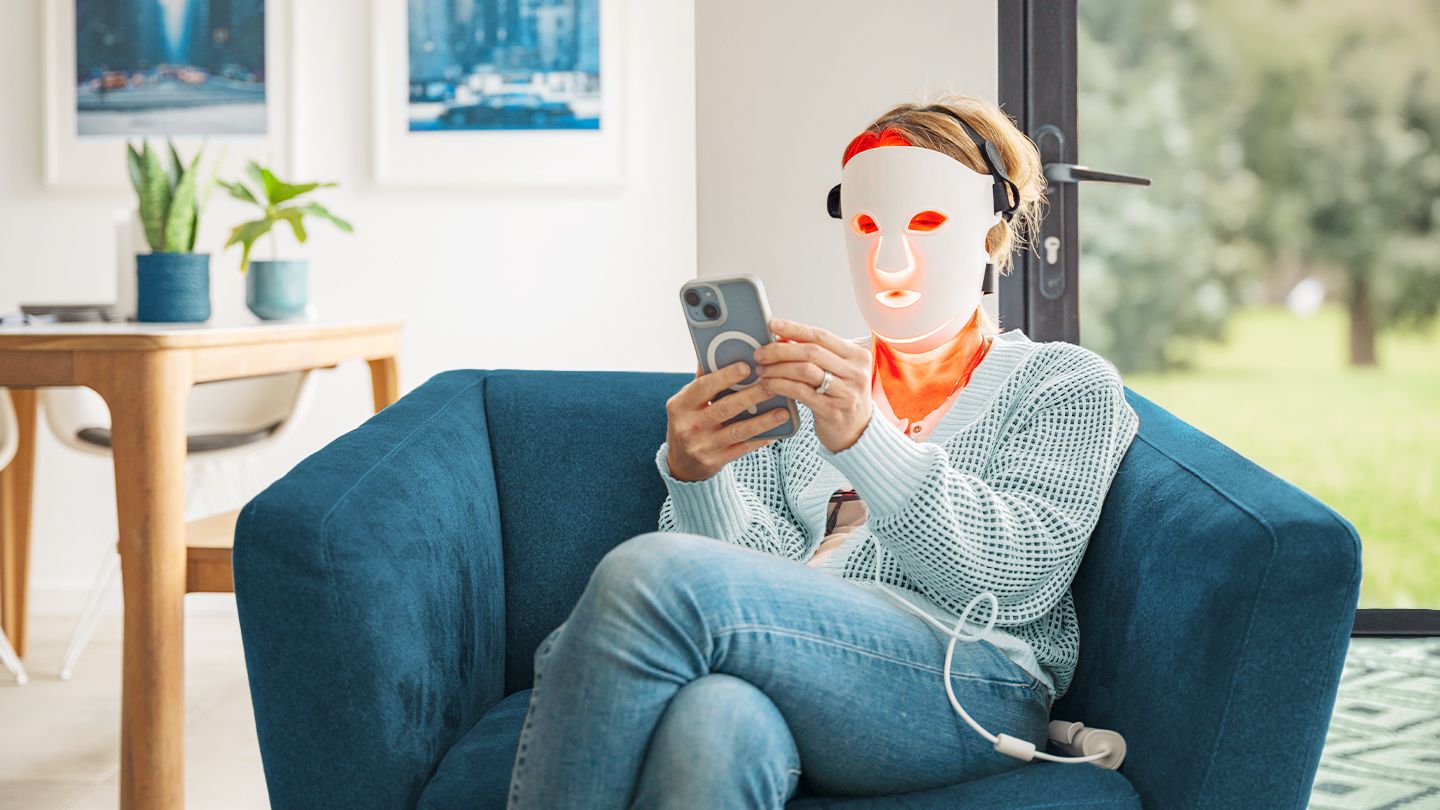
In the evolving landscape of modern dermatology, red light therapy has emerged as a popular non-invasive intervention. By exposing the skin to low-level wavelengths of red light, proponents suggest that users can effectively stimulate cellular repair, potentially smoothing fine lines, diminishing acne-related inflammation, and fading persistent scarring.
However, given the long-standing medical consensus regarding the dangers of ultraviolet (UV) exposure and its direct link to skin cancer, it is natural for consumers to approach light-based treatments with caution. The prospect of applying concentrated light to the face often triggers concerns about long-term safety and cellular damage.
Distinguishing Between Therapeutic Light and Harmful Radiation
The primary point of confusion for many users lies in the physics of the light spectrum. It is essential to understand that not all light interacts with human tissue in the same way. While UV rays are ionizing and known to damage DNA, LED masks operate on an entirely different frequency.
Current dermatological research indicates that red light therapy is non-carcinogenic. Unlike the sun’s rays, which can lead to mutations in skin cells, red light is designed to penetrate the skin at a depth that encourages mitochondrial activity-essentially “recharging” the cells rather than harming them. According to recent clinical observations, when these devices are utilized according to manufacturer guidelines, they are considered a safe modality for cosmetic enhancement.
The Science of Wavelengths: Why Red Light Differs from UV
To grasp why these devices are safe, one must look at how light travels. Light is composed of electromagnetic waves, and these waves vary significantly in length. UV light occupies the high-energy, short-wavelength end of the spectrum, which is why it is capable of penetrating deep into the skin to cause structural damage. In contrast, the red light used in therapeutic masks sits at the opposite end of the spectrum, characterized by longer, lower-energy wavelengths that are generally considered restorative rather than destructive.
By focusing on these specific, safe wavelengths, benefits such as improved collagen production and reduced redness can be achieved without the risks associated with traditional tanning or excessive sun exposure.