




Digital Trends may earn a commission when you buy through links on our site. Why trust us?
Volvo’s Strategic Pivot: The EX50 Could Redefine Entry-Level Electric Luxury
For years, Volvo has been searching for the “Goldilocks” zone in its electric vehicle portfolio-a model that balances premium Scandinavian design with a price tag that doesn’t alienate the average consumer. Recent industry intelligence suggests the automaker is finally closing in on that target with a new project currently circulating in the automotive world.
The Rise of the EX50: A New Compact Contender
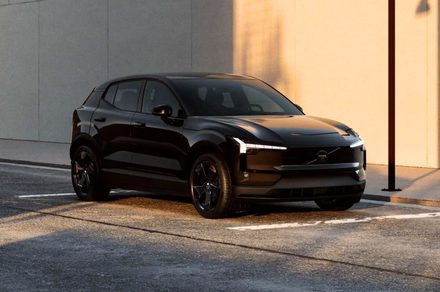
Industry reports, including recent insights from Automotive News, indicate that Volvo is developing a compact electric crossover tentatively dubbed the EX50. This vehicle is positioned to serve as a successor to the aging Volvo EX40, with a projected market arrival slated for 2027.
The timing is critical. As the EV market matures, consumer demand is shifting away from ultra-compact city cars toward vehicles that offer more utility without the massive footprint of a full-sized SUV. By phasing out the smaller EX30, Volvo is clearing the path for the EX50 to become the primary gateway into its electric ecosystem.
Maximizing Value and Dimensions
Perhaps the most intriguing aspect of the EX50 is its physical footprint. Despite being marketed as a more accessible entry point than the current EX40, the EX50 is expected to offer increased length and height. This design choice aligns perfectly with current American consumer trends, where buyers consistently prioritize interior volume and a commanding road presence.
From a financial perspective, the EX50 is shaping up to be a disruptive force. While the EX40 currently commands a starting price of $56,545, the EX50 is rumored to debut in the high $40,000 range. This aggressive pricing strategy places it roughly $10,000 below the upcoming EX60, effectively creating a tiered lineup that allows Volvo to compete more effectively against rivals like the Tesla Model Y and the Hyundai Ioniq 5.
Technical Foundations and Market Impact
Under the hood-or rather, beneath the chassis-the EX50 will leverage Volvo’s advanced SPA3 platform. By sharing this architecture with the larger EX60, Volvo can achieve significant economies of scale, which is likely the primary driver behind the lower price point.
With the global EV market seeing a 35% increase in sales year-over-year, the introduction of a mid-sized, competitively priced crossover is exactly the move Volvo needs to maintain its momentum. By offering a vehicle that feels larger and more substantial than its predecessor while simultaneously undercutting it in price, Volvo is betting that the EX50 will be the catalyst for its next phase of growth.