



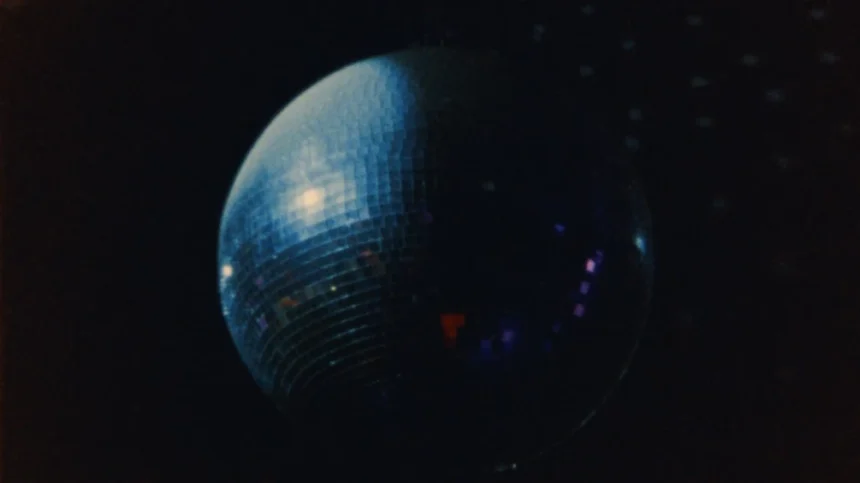
# The Eternal Spin: Tracing the Legacy of the Disco Ball
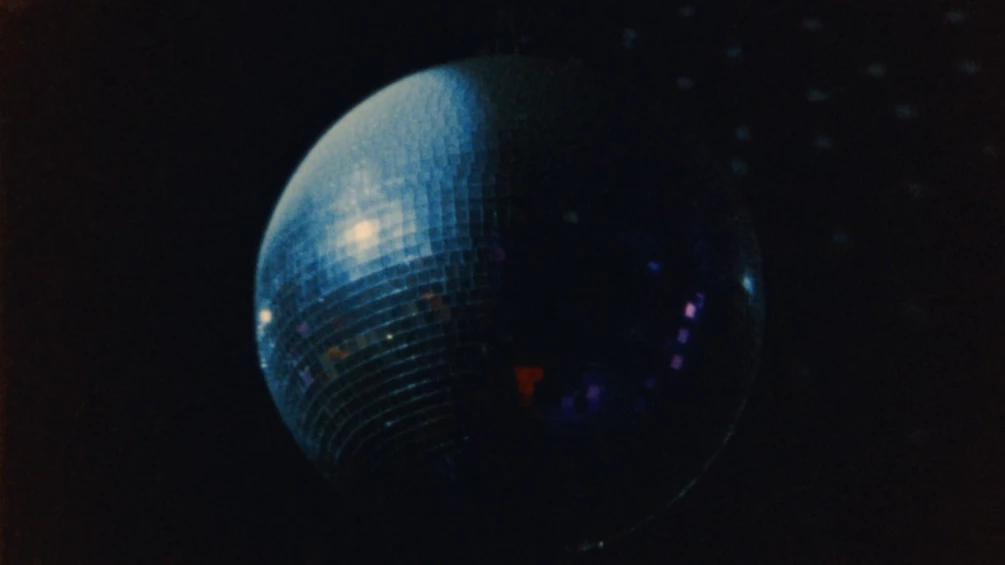
While the modern dance floor is often defined by high-definition LED screens and complex laser arrays, the humble mirrorball remains the undisputed monarch of atmosphere. With a history spanning over 130 years, this rotating sphere of light has transcended its origins to become a permanent fixture in global nightlife culture.
## From Victorian Novelty to Jazz Age Essential
Though we associate the disco ball primarily with the polyester-clad euphoria of the 1970s, its roots are surprisingly vintage. The technology emerged in the late 1890s, long before the invention of house music or the synthesizer. By the 1920s, the device had already found a home in the burgeoning jazz club scene, where it served as a sophisticated centerpiece for ballroom dancing. It wasn’t just a prop; it was a transformative tool that turned static rooms into immersive, shimmering environments.
## The Cinematic Symbol of Rave Culture
The cultural endurance of the mirrorball is perhaps best captured by a defining scene in the 2000 cult classic *Groove*. The film features a character named Guy Pritchkin, dressed in the quintessential rave attire of the era-an oversized orange vest and neon-tinted shades-navigating the San Francisco transit system. Clutching a massive, unwieldy disco ball on his lap, his expression conveys a universal truth: a party without a mirrorball is merely a gathering, not an event.
This moment, which predates the viral nature of modern social media, became an instant touchstone for the millennial generation. It solidified the disco ball’s transition from a relic of the disco era to a vital, nostalgic, and necessary component of the electronic dance music (EDM) underground.
## Why the Mirrorball Still Matters
Today, the mirrorball is experiencing a renaissance. According to recent industry reports on event production, there has been a 25% increase in the demand for “analog” lighting fixtures at high-end festivals and boutique clubs. This shift suggests that as digital technology becomes more pervasive, audiences are craving the organic, unpredictable light patterns that only a rotating, hand-tiled mirrorball can provide.
Whether it is hanging in a gritty warehouse rave or a high-fashion runway show, the disco ball remains a testament to the power of simple, effective design. It is a reminder that even in an age of digital perfection, the most effective way to capture the magic of a dance floor is to let the light scatter in a thousand different directions.