




Navigating the Emotional Hurdles of Asking for Support During Metastatic Breast Cancer Treatment
For individuals diagnosed with metastatic HR-positive/HER2-negative breast cancer, the journey often involves a significant shift in identity. Many patients who have historically served as the “anchor” for their families-managing households, careers, and the needs of others-find it profoundly uncomfortable to suddenly occupy the role of the one needing care.
The Challenge of Shifting Roles
This transition was a reality for Melissa S., a Bay Area mother who began her treatment regimen in 2012. Reflecting on her initial diagnosis, she recalls the candid advice from her radiation oncologist: she would need to accept that her capacity would be limited and that relying on a support network was not optional, but a medical necessity. For those accustomed to independence, this realization can feel like a loss of autonomy, yet it is a vital step in managing the physical and emotional toll of therapy.
Why Your Support Network Matters
Current oncology research underscores that social support is a critical component of holistic care. According to the American Cancer Society, patients who actively engage with support systems often report better quality-of-life outcomes and improved adherence to their breast cancer treatment plans.
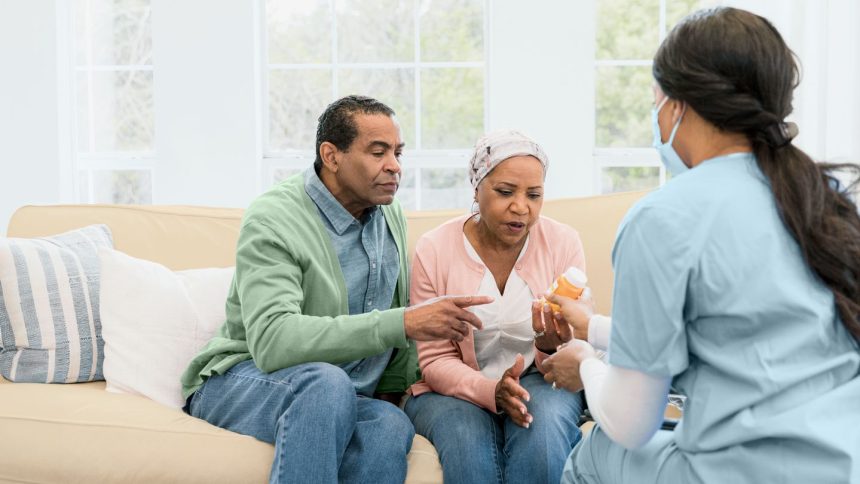
While it is common to feel like a burden, it is essential to reframe the narrative. When friends and family members reach out with vague offers like, “Let me know if you need anything,” they are rarely being polite for the sake of it. Most people genuinely want to contribute but often feel helpless or unsure of how to be useful. By providing them with specific, actionable tasks-such as picking up groceries, driving to an appointment, or handling a household chore-you are actually empowering them to support you effectively.
Practical Steps to Accepting Help
* Be Specific: Instead of waiting for others to guess your needs, keep a running list of small tasks.
* Delegate Wisely: Assign specific roles to those who offer help, matching their strengths to your needs.
* Release the Guilt: Understand that accepting assistance is a strategic move to preserve your energy for healing, not a sign of weakness.
By embracing the support of your community, you create a buffer that allows you to focus your strength where it matters most: your health and well-being.