





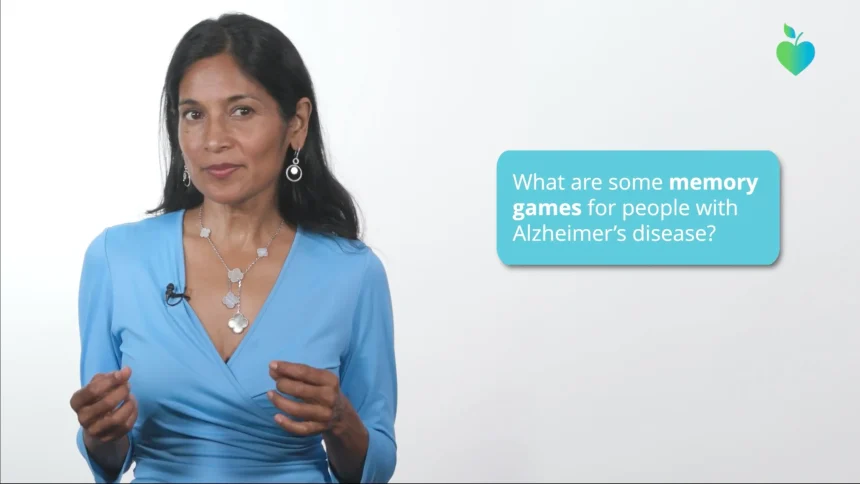
Empowering Cognitive Resilience After an Alzheimer’s Diagnosis
Receiving a diagnosis of early-stage Alzheimer’s disease is often met with a sense of finality, yet medical experts emphasize that this is far from the end of your cognitive journey. According to Stephanie Nothelle, MD, a geriatric specialist at Johns Hopkins Bayview Medical Center, the common misconception that “the ship has sailed” is medically inaccurate. Instead, patients have significant opportunities to influence their daily experience and mental well-being.
The Role of Neuroplasticity in Cognitive Maintenance
The primary reason for optimism lies in neuroplasticity. This remarkable biological process refers to the brain’s inherent capacity to forge new neural pathways and restructure existing networks. Even as Alzheimer’s disease begins to impact cellular health, the brain remains a dynamic organ capable of adaptation. By engaging in targeted activities, individuals can leverage this plasticity to maintain function and preserve their quality of life for as long as possible.
Strategic Approaches to Sustaining Brain Health
While lifestyle interventions cannot halt the underlying progression of Alzheimer’s, they serve as a vital support system. Integrating specific habits into your routine can provide the mental stimulation and social engagement necessary to bolster cognitive resilience.
* Prioritize Cognitive Challenges: Engaging in puzzles, learning a new hobby, or reading can keep the mind active.
* Incorporate Physical Movement: Regular exercise improves blood flow to the brain, which is essential for long-term health.
* Foster Social Connections: Interacting with others is a powerful tool for emotional and cognitive stability.
Why Proactive Engagement Matters
Recent research suggests that maintaining an active lifestyle can significantly impact how patients navigate the challenges of dementia. By focusing on brain health through consistent, enjoyable habits, individuals can often experience improved mood and better daily functioning. As Dr. Nothelle notes, the goal is to blend therapeutic activity with genuine enjoyment, ensuring that the focus remains on living well despite the diagnosis.