

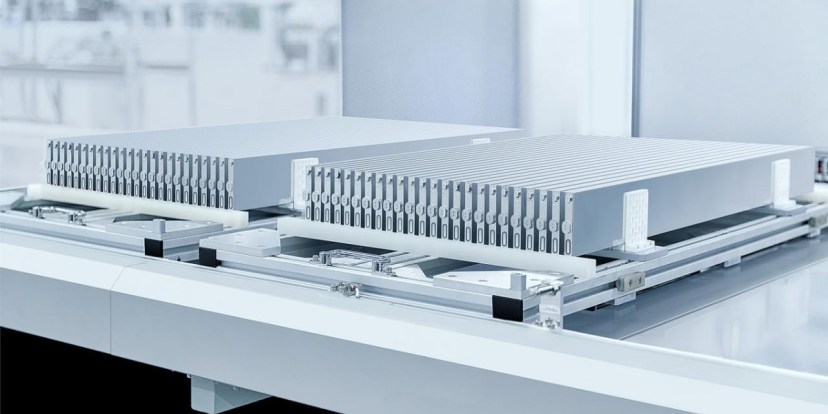



### The Solid-State Battery Mirage: Is BYD Finally Cracking the Code?
For years, the automotive industry has dangled the promise of solid-state batteries like a carrot on a stick. As someone who grew up with the roar of internal combustion engines, I’ve learned to treat these “miracle” announcements with a healthy dose of skepticism. We’ve been conditioned to expect a paradigm shift-a battery technology that offers the energy density to support 2,000-kilometer road trips without turning our vehicles into heavy, cumbersome behemoths. Yet, every time we approach the finish line, the dream seems to recede.
#### The Reality Gap in Battery Innovation
The transition from laboratory breakthrough to the showroom floor is notoriously treacherous. Industry giants like CATL have frequently urged caution, reminding stakeholders that the physical constraints of manufacturing and the sheer cost of scaling solid-state tech mean that mass-market adoption remains a distant horizon. It is a classic case of engineering ambition colliding with the cold, hard economics of assembly lines.
#### BYD’s Strategic Pivot: A New Blueprint
Just as the industry began to settle into a cycle of tempered expectations, BYD has injected a fresh wave of intrigue into the conversation. Rather than relying on the same tired theoretical models, the company has filed a series of six patents with the State Intellectual Property Office. These documents outline a distinct, pragmatic roadmap for integrating solid-state components into production-ready electric vehicles.
Instead of chasing the “holy grail” through traditional, high-cost methods, BYD appears to be focusing on a dual-electrolyte architecture. This approach aims to bridge the gap between current liquid-electrolyte lithium-ion performance and the safety and density benefits of solid-state designs. By diversifying the chemical composition within the cell, BYD is attempting to bypass the thermal runaway issues that have plagued previous iterations of this technology.
#### Why This Matters for the Future of EVs
If these patents translate into a viable manufacturing process, we could see a significant shift in the EV landscape. Current lithium-ion batteries are nearing their theoretical energy density limits, often requiring larger, heavier packs to achieve longer ranges. By successfully implementing a solid-state hybrid, manufacturers could potentially reduce battery weight by 20-30%, directly improving vehicle efficiency and handling. While we are not quite at the stage of “fill up once a month” driving, BYD’s latest move suggests that the solid-state revolution might finally be shifting from a marketing buzzword to a tangible engineering reality.