



![One Night Only Director Knows What Everyone Was Saying About The Movie’s Creepy World [Exclusive]](https://www.mixtv1.com/wp-content/uploads/2026/08/19659-attachment-860x484.jpg)
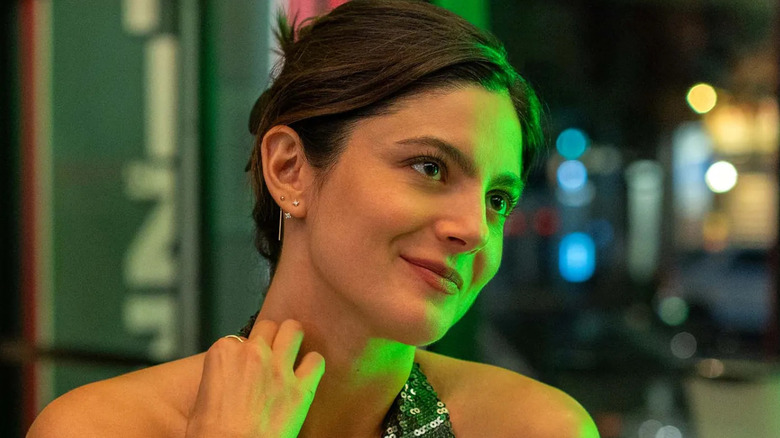
Universal Pictures
The “Purge” Comparison: Why Audiences Are Buzzing About Will Gluck’s Latest
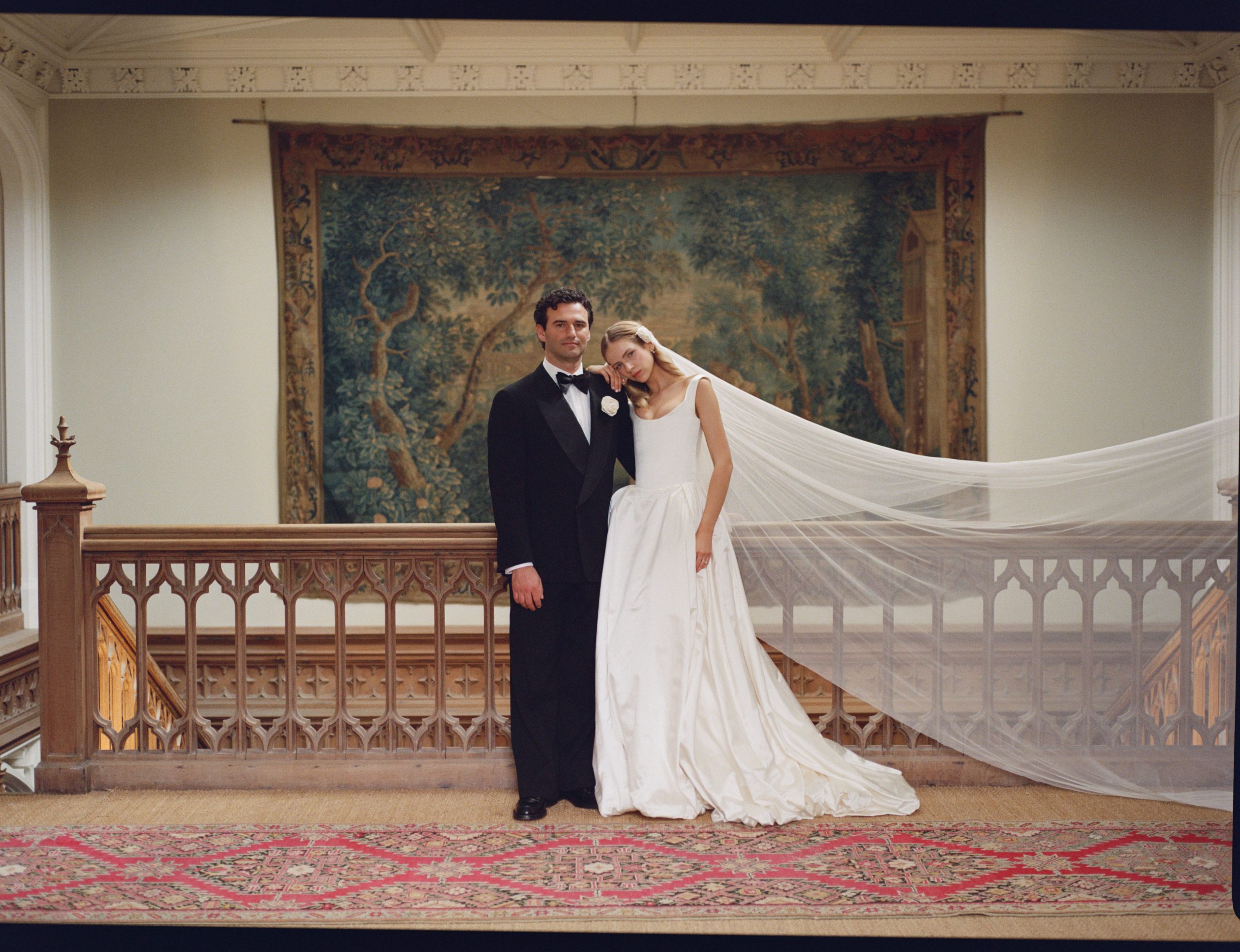
Ever since the initial promotional footage for Will Gluck’s “One Night Only” hit the internet, viewers have been quick to draw parallels between the film and the high-stakes tension of the infamous “Purge” horror series. While the latter focuses on a 24-hour window of legalized violence, Gluck’s romantic comedy introduces a similarly dystopian government mandate: a society where intimacy is strictly regulated, allowing single citizens to engage in sexual activity only once every 365 days under the guise of “restoring family values.”
Balancing Rom-Com Tropes with Dystopian Stakes
The film relies heavily on the undeniable chemistry between leads Monica Barbaro and Callum Turner, whose performances provide a necessary anchor for the narrative. However, the premise raises a significant question: can a lighthearted romantic comedy truly grapple with the weight of such a restrictive, authoritarian backdrop? While the film succeeds as a character-driven piece, it often feels as though the gravity of its own world-building is sidelined in favor of traditional genre beats.
In the current landscape of cinema, where high-concept dystopian thrillers often dominate the box office-frequently grossing hundreds of millions globally-“One Night Only” attempts to pivot that intensity into a more intimate, comedic space. Yet, the legislative framework of this fictional world remains somewhat underdeveloped. During a pre-release discussion, I sat down with director Will Gluck to delve into his creative process and address whether he intended to fully unpack the sociopolitical implications of a world where the government dictates the most private aspects of human life.