




Cracking Down on Crypto: U.S. Targets Iranian Financial Networks
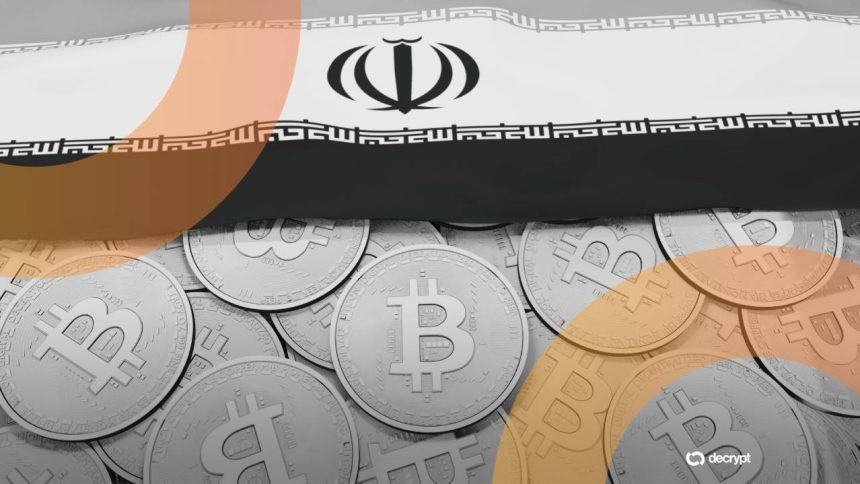
The U.S. Department of the Treasury has intensified its efforts to dismantle illicit financial channels, recently placing two cryptocurrency exchanges under sanctions. Authorities allege these platforms served as critical conduits for laundering millions of dollars on behalf of the Iranian Revolutionary Guard Corps (IRGC).
Key Developments at a Glance
* Targeted Entities: OFAC has blacklisted Shelbit Exchange and Aban Tether, citing their roles in facilitating fund transfers for the Iranian military and previously sanctioned financial institutions.
* Volume of Illicit Activity: Treasury reports indicate that wallets associated with the Iranian armed forces funneled over $1 million to Shelbit, which subsequently processed more than $2 million in return transactions.
* Financial Incentives: The U.S. State Department has launched a bounty program, offering rewards of up to $15 million for actionable intelligence that disrupts the financial infrastructure supporting the Iranian military.
The “Economic Fury” Strategy
On August 7, the Office of Foreign Assets Control (OFAC) formalized these sanctions as part of the broader “Economic Fury” initiative. Treasury Secretary Scott Bessent emphasized that the regime’s increasing dependence on digital assets and clandestine banking systems highlights the effectiveness of current U.S. pressure tactics. This move was complemented by a parallel enforcement action aimed at dismantling Iran’s conventional shadow-banking operations.
The Architect Behind the Operation
At the heart of this investigation is Siavash Kayvanpour, an Iranian-born individual holding dual citizenship in Dominica and Afghanistan. Investigators claim Kayvanpour orchestrated a sophisticated, multi-jurisdictional network operating out of the United Arab Emirates and Georgia. Through his Georgia-based entity, SHPS Shelbit, he managed the day-to-day operations of the Shelbit Exchange, which served as a primary hub for moving funds across borders while evading international oversight.
The Evolving Landscape of Sanctions
The use of decentralized finance to bypass traditional banking restrictions has become a focal point for global regulators. According to recent data from blockchain analytics firms, illicit crypto volume reached record highs in 2023, with state-sponsored actors increasingly utilizing “mixer” services and non-compliant exchanges to obfuscate the origin of funds. By targeting the infrastructure-rather than just individual wallets-the U.S. is attempting to raise the cost of entry for regimes seeking to utilize digital assets for military financing.