



The Smart Glasses Dilemma: Why Consumers Are Still Hesitant
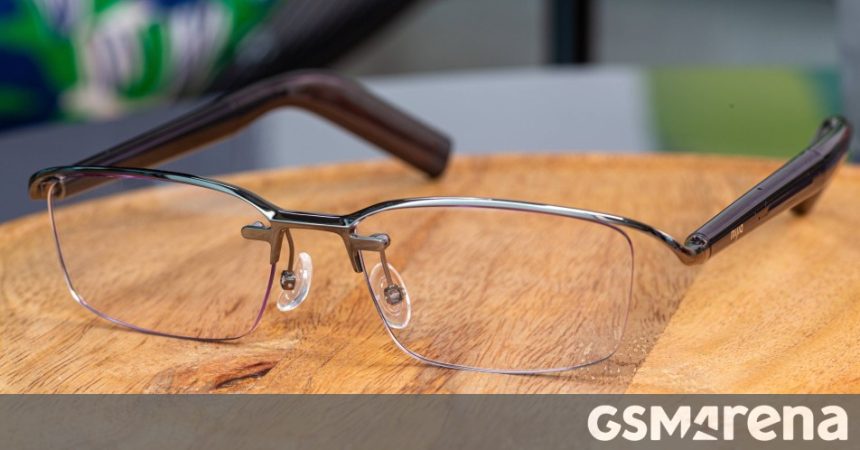
Major technology corporations are pouring billions into research and development to dominate the emerging smart eyewear market. From augmented reality overlays to integrated audio, these devices are being positioned as the next frontier in personal computing. However, recent data from last week’s poll suggests that these high-tech frames are currently struggling to find their place in the average consumer’s life.
### A Market Searching for Purpose
The consensus from our latest survey is unmistakable: smart glasses have yet to achieve mainstream viability. While limited regional distribution plays a minor role in low adoption rates, the primary issue is a fundamental lack of utility. Most potential users simply haven’t encountered a “killer app” or a daily necessity that justifies wearing a computer on their face.
Current market analysis supports this sentiment. With less than 5% of respondents confirming they use smart eyewear daily, the technology remains a niche hobbyist tool. Those who do integrate them into their routines typically use them as a hands-free audio alternative or for basic heads-up display notifications, yet these features have failed to spark widespread excitement.
### The Privacy Paradox and Social Stigma
Beyond the lack of functionality, manufacturers face a significant psychological barrier: the “creepy” factor. Much like the public backlash that plagued the original Google Glass launch over a decade ago, modern iterations featuring integrated cameras are viewed with deep suspicion.
Privacy concerns are a massive hurdle for adoption. Many consumers feel uncomfortable being recorded by strangers in public spaces, leading to a social stigma that extends beyond the device itself. It isn’t just that people are refusing to purchase these gadgets; there is a growing cultural pushback against those who wear them. This reputation crisis creates a “chilling effect,” where the fear of being perceived as an intrusive observer prevents potential buyers from ever considering a purchase.
### Can Smart Glasses Overcome the Reputation Gap?
For smart glasses to move from a tech-enthusiast curiosity to a household staple, companies must do more than just improve hardware specs. They need to address the social friction and privacy anxieties that have defined the category since its inception. Until these devices offer a clear, non-intrusive benefit that outweighs the social cost of wearing them, they will likely remain a solution in search of a problem.