



Protecting Your Tech: Why Your Smartphone and the 2026 Solar Eclipse Are a Dangerous Mix
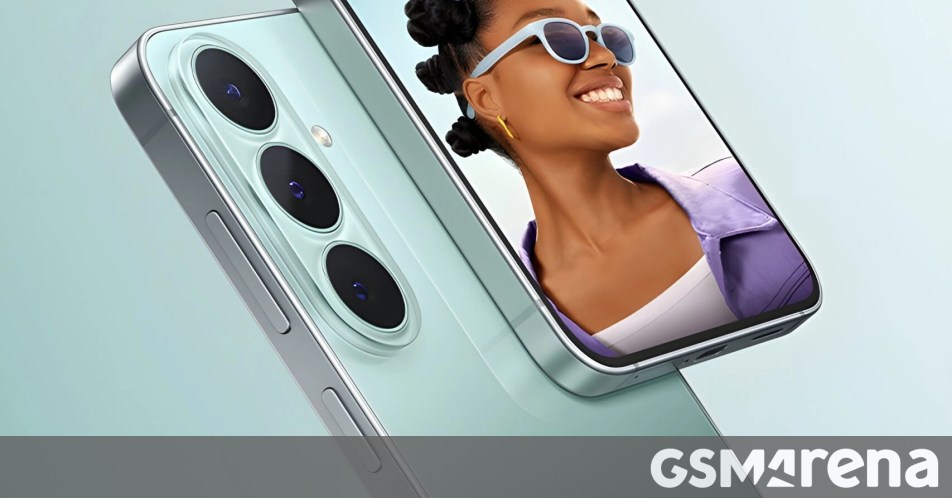
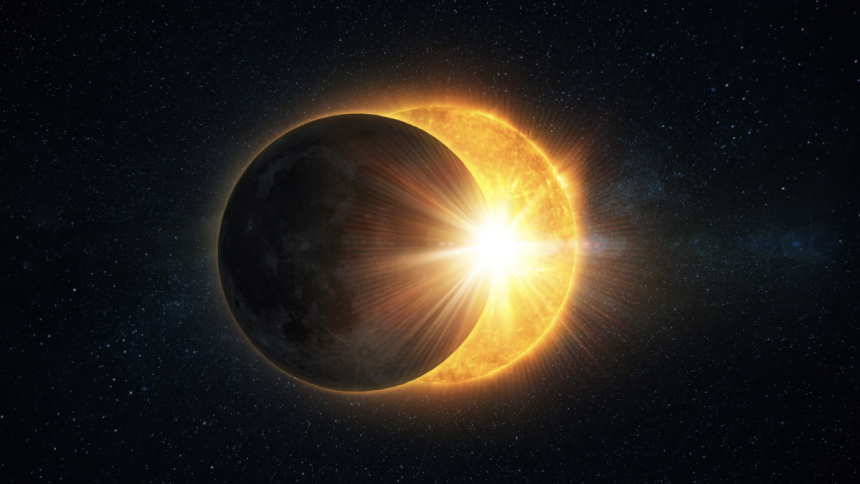
It is a natural instinct to want to capture breathtaking moments, and with the highly anticipated 2026 total solar eclipse on the horizon, many of us are already planning our photography setups. However, recent insights-including a cautionary report from BGR-suggest that your high-end device, such as an iPhone 15 Pro Max, is not equipped to handle the intensity of the sun during this event.
The Hidden Risk to Your Camera Sensor
While it might seem like a harmless way to document a once-in-a-lifetime experience, pointing your smartphone lens directly at the sun during an eclipse can lead to permanent hardware failure. Modern smartphone cameras utilize sophisticated sensors and complex lens arrays designed for everyday lighting conditions. When you aim these lenses at the sun, the glass elements act like a magnifying lens, concentrating intense solar radiation directly onto the delicate image sensor.
Just as you would never look through a telescope or binoculars at the sun without professional-grade solar filters-an act that could cause irreversible retinal damage-your phone’s camera is equally vulnerable. The concentrated heat can effectively “burn” the sensor, resulting in dead pixels, permanent streaks, or a complete failure of the camera module.
Why Standard Protection Isn’t Enough
Many users assume that the software-based exposure settings or the small size of a phone lens offer some level of protection. This is a misconception. Even during the partial phases of an eclipse, the sun’s brightness is sufficient to overwhelm the sensor’s capacity. Unlike the human eye, which has a blink reflex, a camera sensor is static and will continue to absorb that concentrated energy until the hardware is compromised.
To put this into perspective, consider the intensity of a laser pointer directed at a camera sensor; the damage is often instantaneous. The sun, during an eclipse, acts as a massive, uncontrolled light source that far exceeds the safety thresholds of consumer-grade mobile optics. If you are determined to capture the event, you must use specialized solar photography equipment, such as certified solar filters placed over the lens, rather than relying on the phone’s native hardware.