




## Why Extreme Heat Causes Railway Tracks to Warp
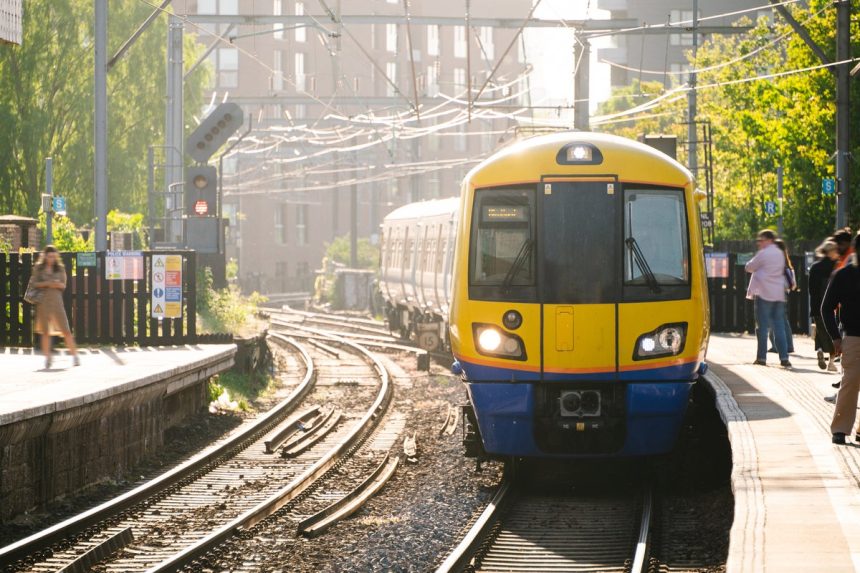
The integrity of the UK’s vast railway infrastructure faces a significant challenge during summer heatwaves: the phenomenon known as “buckling.” This occurs when the steel components of the track expand due to intense heat, causing the rails to lose their straight alignment and curve dangerously.
### The Physics of Thermal Expansion in Steel
Steel is highly sensitive to thermal fluctuations. As ambient temperatures climb, the metal absorbs heat, causing it to expand linearly. Because railway tracks are fixed in place, this expansion creates immense internal pressure. When the steel has no remaining space to grow, the force is redirected, causing the track to warp or “buckle” out of its intended position.
According to Network Rail, the steel tracks often reach temperatures significantly higher than the surrounding air-sometimes up to 20°C hotter. While the network is engineered to withstand track temperatures of up to 46°C (which typically corresponds to an air temperature of roughly 30°C), engineers have documented instances where rails have surged to a staggering 51°C.
### Safety Protocols and Operational Disruptions
When track temperatures approach these critical thresholds, rail operators must implement strict safety measures. If the risk of buckling becomes imminent, trains are forced to slow down or stop entirely.
“If there is no room for the rail to expand, the rail can buckle, and we need to close the line to fix it before trains can run again,” explains Network Rail. These closures are essential to prevent the catastrophic risk of derailment, which can occur if a train attempts to traverse a compromised section of track.
### The Engineering Challenge of Solar Gain
John Lawrence, chair of the Institution of Engineering and Technology Railway Technical Network, highlights the complexity of the issue: “Ambient temperature and solar gain combine to push temperatures very high at track level and in trackside equipment.”
Despite decades of technological investment and infrastructure upgrades, the threat remains a primary concern for industry professionals. The combination of direct sunlight and high ambient heat creates a “perfect storm” for track instability. Even with modern stress-testing and maintenance, the physical properties of steel mean that extreme heat events continue to pose a persistent risk of track buckles and potential dewirements.
For further details on how rail networks manage these climate-related challenges, please see the link below: