


The Evolution of Pixel Hardware: Why HiLight Trumps the Temperature Sensor
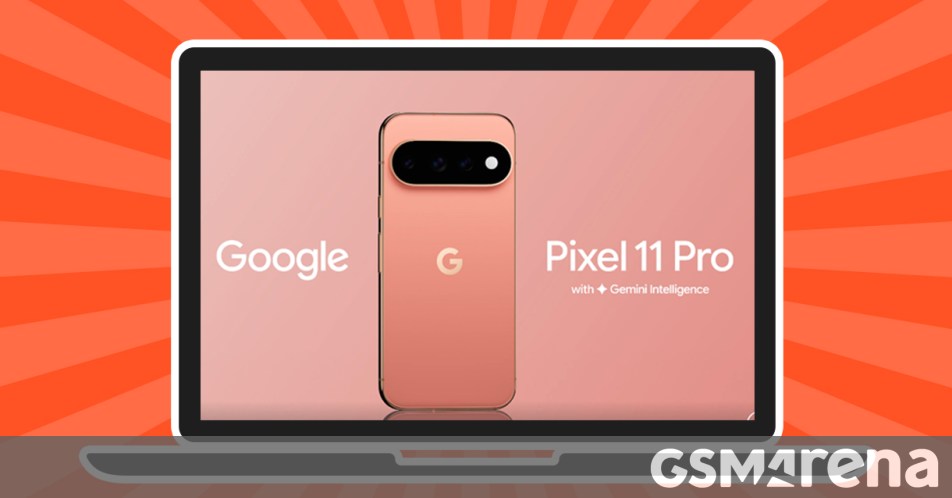
The recent Pixel 11 announcement brought a wave of updates, but the most intriguing shift wasn’t the raw processing power-it was the strategic pivot in hardware design. While initial reactions to the new HiLight feature were mixed, the decision to sunset the long-standing temperature sensor marks a significant change in how Google prioritizes user utility.
Moving Beyond Niche Hardware
For years, the Pixel lineup featured a dedicated temperature sensor. While the engineering required to integrate thermal imaging into a slim smartphone chassis was undeniably impressive, the feature struggled to find a place in the average user’s daily routine. Despite later software updates that allowed the sensor to track body temperature, it remained a novelty for most.
In the fast-paced world of mobile tech, where space is at a premium, keeping a component that sees minimal engagement is a luxury. Replacing this underutilized sensor with a more interactive, visual element is a pragmatic move that favors daily functionality over technical curiosity.
HiLight: A New Visual Language for Notifications
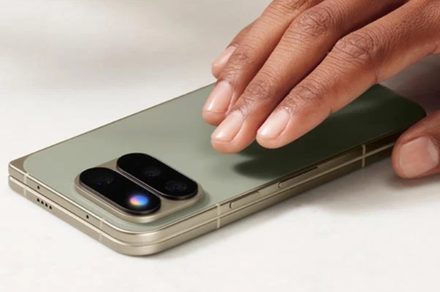
The HiLight system introduces an RGB lighting array that activates when the device is placed face-down. This isn’t just a cosmetic flourish; it’s a functional redesign of how we interact with our phones in “Do Not Disturb” or meeting scenarios.
* Customized Alerts: Users can assign specific color profiles to individual contacts. Whether it’s a call via the native Phone app or a WhatsApp message, you can identify the caller without ever touching your screen.
* Gemini Integration: The lighting patterns provide real-time feedback when interacting with Gemini. By pulsing or shifting colors, the phone signals that the AI is actively processing your request, creating a more intuitive bridge between human and machine.
Why This Trade-Off Makes Sense
Data suggests that smartphone users are increasingly looking for ways to reduce screen time while staying connected to essential alerts. By moving notification indicators to the back of the device, Google is encouraging a “face-down” culture that minimizes distractions while keeping the user informed.
While the temperature sensor was a “nice-to-have” for a tiny fraction of the user base, HiLight offers a tangible, everyday benefit. It transforms the back of the phone from a static surface into a dynamic communication tool. It’s a clever repurposing of the space once occupied by a sensor that most people simply forgot existed.