




Uber’s Strategic Pivot: Scaling Aerial Logistics via Zipline Partnership
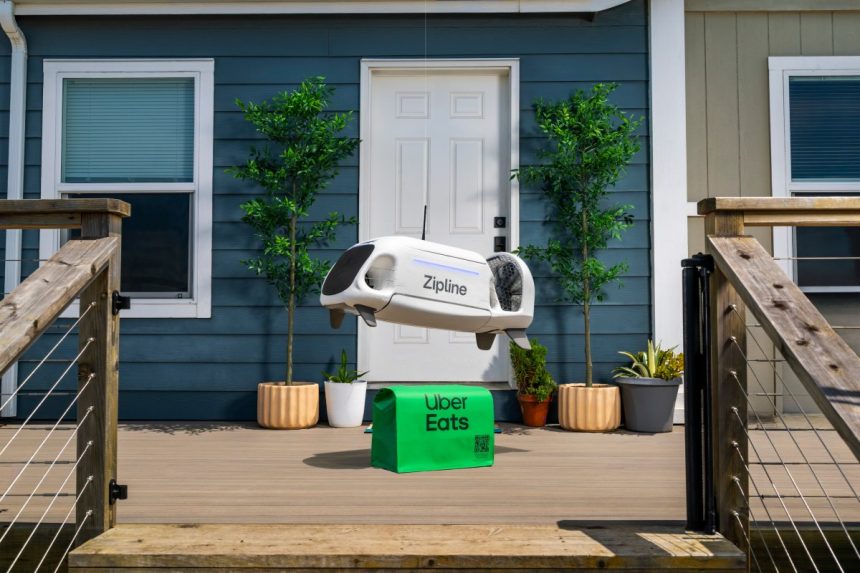
In a bold move to revolutionize last-mile logistics, Uber has officially entered into a strategic partnership and investment deal with drone delivery pioneer Zipline. The collaboration sets an ambitious long-term target: facilitating one million autonomous drone deliveries daily by the close of 2029. This initiative marks a significant shift in how the ride-hailing giant intends to handle food and retail distribution.
The Roadmap for Autonomous Eats
The integration of Zipline’s aerial technology into the Uber Eats ecosystem is slated to begin before the end of the current year. Initially, these automated deliveries will be deployed within regions where Zipline already maintains operational infrastructure. Following this pilot phase, the two organizations plan to scale their footprint, targeting a rollout across dozens of major metropolitan areas throughout the United States. While the specific financial terms of the investment remain confidential, the partnership signals a major capital commitment to the future of unmanned aerial vehicles (UAVs).
Uber’s Platform-First Philosophy
Rather than attempting to build proprietary drone hardware from the ground up, Uber is doubling down on its “platform-agnostic” strategy. By acting as a massive aggregator, Uber is applying the same logic to drone delivery that it has successfully utilized for its robotaxi services. By inviting a diverse array of autonomous technology providers onto its platform, Uber ensures it remains the primary interface for consumers, regardless of which company’s hardware is performing the actual delivery.
This ecosystem-based approach allows Uber to maintain market dominance in the autonomous sector without the heavy R&D burden of manufacturing. This pivot follows the company’s divestment from internal hardware projects, such as the Uber Elevate aerial ride-sharing division and its Autonomous Technologies Group. To date, Uber has funneled over $10 billion into various autonomous vehicle ventures, positioning itself as a venture-capital-style powerhouse within the logistics space.
The Reality of Autonomous Scaling
While the partnership with Zipline is a major milestone, it is important to recognize that autonomous delivery is not a universal solution for every logistical challenge. Regulatory hurdles, airspace management, and the physical limitations of drone battery life remain significant barriers to widespread adoption. Industry data suggests that while drone delivery can reduce carbon emissions by up to 80% compared to traditional delivery vans, the complexity of urban environments-such as high-rise density and unpredictable weather-means that human-operated fleets will likely remain a necessity for the foreseeable future.