

Labor Unrest Escalates: Xbox Developers Stage North American Protests Against Ongoing Layoffs
By Editorial Staff | August 20, 2026
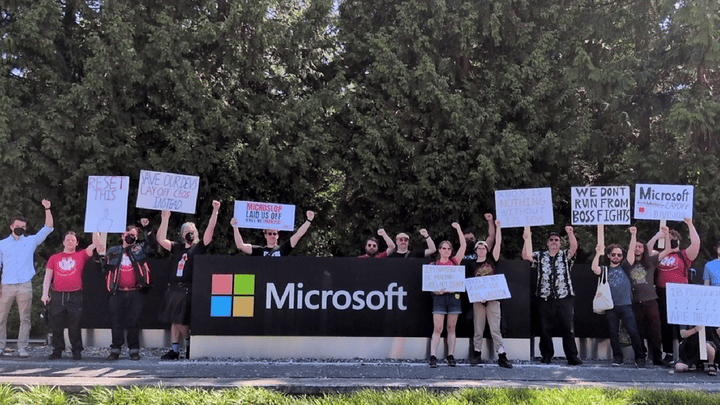
A wave of organized labor action swept through major gaming hubs this week as hundreds of unionized employees gathered outside Microsoft-owned studios. These demonstrations, part of the ongoing “Save Our Devs” campaign, serve as a direct response to the persistent cycle of workforce reductions currently destabilizing the Xbox division.
A Coordinated Stand Against Industry Instability
On August 19, 2026, members of the Communications Workers of America (CWA) and their labor partners mobilized in seven key cities: Seattle, Austin, Dallas, Rockville, Hunt Valley, Montreal, and Minneapolis. This marks the second major wave of public protests following an initial series of rallies held in July.
The primary objective of these gatherings is twofold: to voice opposition against what organizers describe as unchecked corporate greed and to pressure Microsoft into finalizing equitable first contracts for its diverse array of studios. The urgency of these demands is underscored by the fact that these teams have endured five distinct rounds of layoffs within a mere 36-month window.
The Human Cost of the “Reset” Strategy
The current tension stems from a strategic pivot announced by Xbox CEO Asha Sharma in July. Citing a need to “reset” the division’s trajectory, leadership confirmed a staggering reduction of 3,200 positions scheduled to conclude by the end of the fiscal year.
The initial phase of this plan-which saw 1,600 roles eliminated immediately-has hit several high-profile subsidiaries, including id Software, Obsidian, and ZeniMax Online Studios. These cuts have disproportionately affected unionized staff, fueling the current wave of collective bargaining efforts.
Industry Context: A Pattern of Contraction
The gaming sector has faced a turbulent period of consolidation and downsizing. According to industry tracking data, over 25,000 jobs were lost across the global gaming industry in 2024 alone, a trend that has continued to exert pressure on developers throughout 2025 and 2026. As major publishers prioritize short-term fiscal efficiency, the push for unionization has become a primary defensive mechanism for developers seeking job security and transparent communication regarding studio futures.
For those following the fallout of these corporate shifts, the departure of veteran talent remains a significant concern. For instance, the recent announcement by Harvey Smith and other Arkane Austin alumni regarding the formation of a new independent studio highlights the ongoing “brain drain” occurring as established teams are dismantled.