





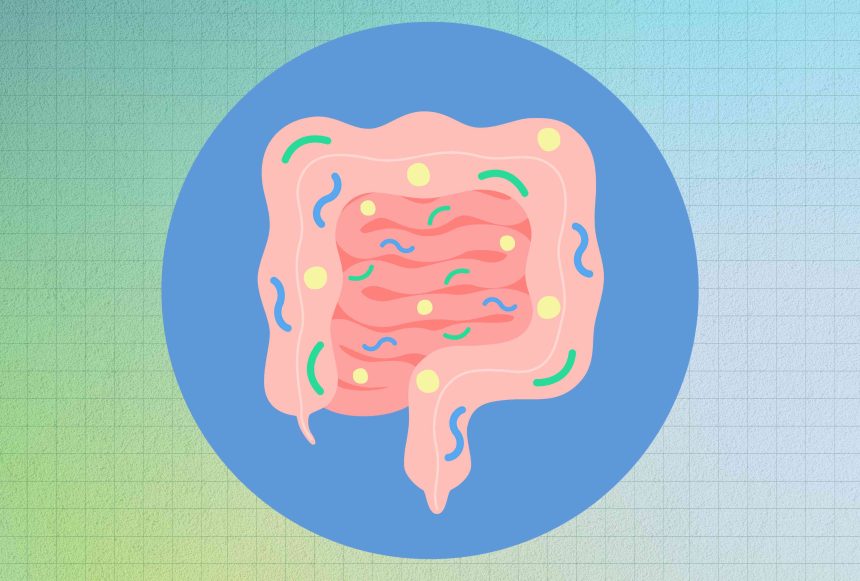
### The Evolution of Microbiome Science: Why Postbiotics Are Taking Center Stage
For years, the conversation surrounding digestive wellness was dominated by a two-part narrative: probiotics, the beneficial live bacteria, and prebiotics, the fibrous fuel that keeps them thriving. However, the frontier of gut health is shifting. Researchers are increasingly turning their attention to the metabolic byproducts of these bacteria-known as postbiotics-which may hold the key to systemic health.
#### Beyond Live Cultures: Understanding Postbiotics
While probiotics focus on introducing live microorganisms into your system, postbiotics represent the “end product” of the process. When your gut bacteria ferment prebiotic fibers, they produce bioactive compounds, including short-chain fatty acids (SCFAs) like butyrate, enzymes, and peptides.
Think of it this way: if probiotics are the workers in a factory and prebiotics are the raw materials, postbiotics are the finished goods ready for distribution. By consuming or encouraging the production of these compounds, you are essentially bypassing the “labor” phase and delivering the health-promoting benefits directly to your body.
#### Why the Shift in Focus?
The primary advantage of postbiotics lies in their stability. Probiotics are notoriously sensitive; they require precise storage conditions and must survive the harsh, acidic environment of the stomach to be effective. Postbiotics, being inanimate compounds, are far more resilient.
Recent clinical data suggests that postbiotics may offer a more predictable impact on the immune system. For instance, studies have indicated that specific postbiotic metabolites can help reinforce the intestinal barrier, potentially reducing systemic inflammation. According to recent market research, the global postbiotics market is projected to grow significantly as consumers seek more reliable, shelf-stable alternatives to traditional refrigerated supplements.
#### Integrating Postbiotics into Your Routine
You don’t necessarily need a specialized supplement to reap these rewards. A diet rich in diverse, fiber-heavy foods-such as legumes, whole grains, and cruciferous vegetables-naturally encourages your microbiome to synthesize its own postbiotics.
As we continue to decode the complex language of the gut, it is becoming clear that the future of wellness isn’t just about adding more bacteria; it’s about optimizing the chemical signals they send to the rest of our body.