




Assessing Potential Security Threats in Chinese Lidar Technology
The Idaho National Laboratory (INL), a premier facility under the U.S. Department of Energy, is currently conducting a deep-dive investigation into the security implications of integrating Chinese-manufactured lidar sensors into the American automotive ecosystem. This initiative, as reported by TechCrunch, seeks to determine if these sophisticated sensing components could serve as vectors for espionage or cyber-attacks as they gain traction in the domestic electric and autonomous vehicle (AV) markets.
The Scope of the Investigation
According to insiders familiar with the matter, the research project is being bankrolled by private entities within the autonomous and electric vehicle sectors. While the specific identities of these financial backers remain undisclosed, the move highlights a growing industry-wide anxiety regarding the supply chain security of critical vehicle components. As autonomous systems rely heavily on high-resolution mapping and real-time environmental data, the integrity of the hardware capturing this information has become a matter of national security.
Industry Response and Transparency Gaps
The landscape of corporate involvement remains murky. Major players in the automotive and tech space-including Ford, General Motors, Rivian, Lucid Motors, Nuro, Kodiak, and Uber-have all stated they have no knowledge of this specific research effort. Meanwhile, other industry heavyweights such as Nvidia, Aurora, and Zoox have remained silent, declining to confirm or deny their participation in the study.
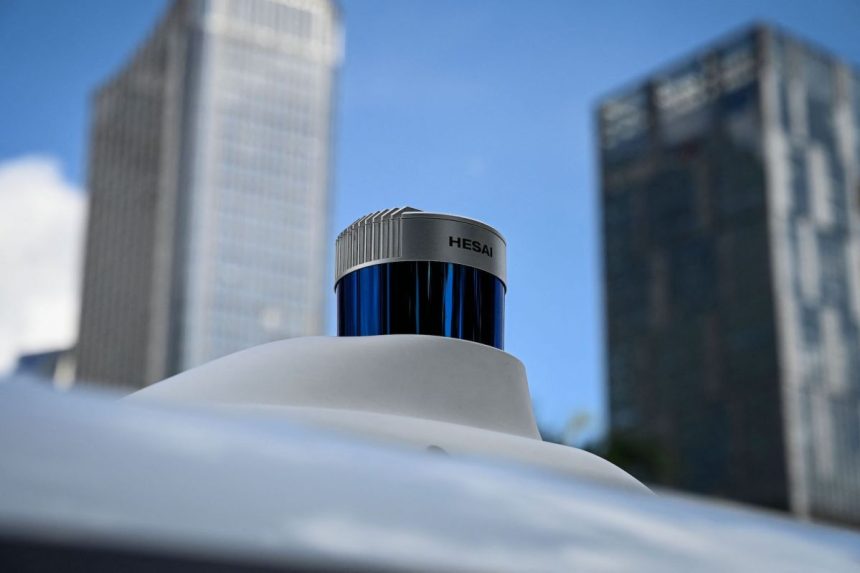
The silence from the research side is equally pronounced. The Idaho National Laboratory has consistently refused to provide details, maintaining a strict policy of non-disclosure. A spokesperson for the lab reiterated in both June and July that the project is not one they are authorized to discuss publicly. Similarly, prominent Chinese lidar manufacturers, such as Hesai and RoboSense, have not responded to inquiries regarding the investigation.
Why Lidar Security Matters
Lidar-an acronym for Light Detection and Ranging-functions as the “eyes” of an autonomous vehicle. By emitting rapid laser pulses to create a precise 3D map of the surroundings, these sensors allow vehicles to navigate complex environments safely. However, this capability also makes them a potential target for exploitation. If a sensor were compromised, it could theoretically be manipulated to feed false data to a vehicle’s computer, leading to navigation errors or, in a worst-case scenario, intentional accidents.
As the U.S. government continues to scrutinize foreign-made technology in critical infrastructure, this investigation serves as a bellwether for the future of the AV supply chain. With the global lidar market projected to reach billions in value by the end of the decade, the tension between cost-effective, high-performance Chinese hardware and the necessity for domestic cybersecurity standards is likely to intensify.