




Las Vegas Set for Autonomous Revolution: Nevada Greenlights Massive Robotaxi Expansion
The landscape of urban mobility in Southern Nevada is on the brink of a significant transformation. In a landmark decision, the Nevada Transportation Authority has granted unanimous approval for three major industry players-Tesla, Uber, and Waymo-to launch commercial robotaxi fleets throughout Clark County. This regulatory milestone paves the way for a potential influx of up to 8,000 autonomous vehicles onto Las Vegas streets within the coming year.
Breaking Down the Fleet Allocations
The approved permits establish a tiered rollout for the participating companies, setting ambitious upper limits for their respective autonomous operations:
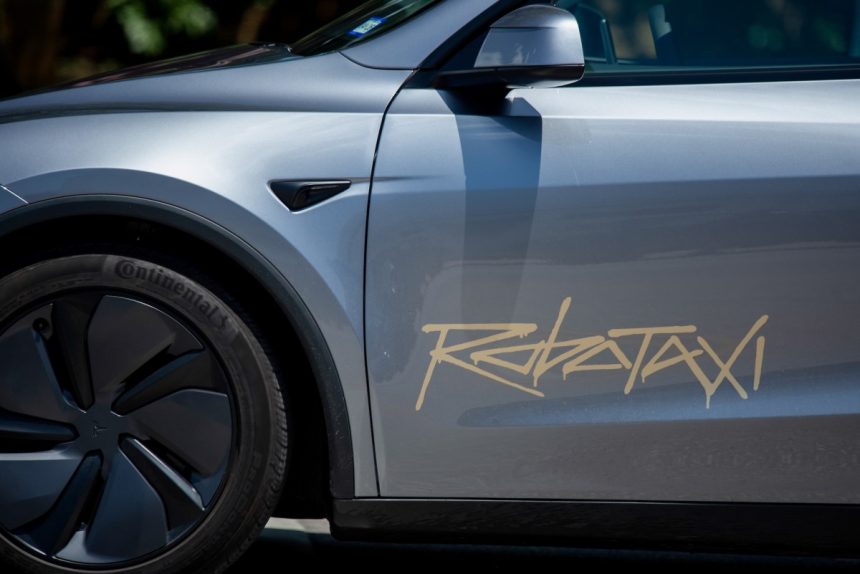
* Tesla: Leading the charge with the highest allowance, Tesla is permitted to deploy as many as 5,000 units of its Cybercab.
* Waymo: The veteran autonomous driving firm has been cleared to operate a fleet of 1,000 vehicles.
* Uber: Also authorized for 1,000 vehicles, Uber plans to leverage strategic collaborations with Zoox and Motional, a Hyundai-backed venture.
* Zoox: Operating under a separate autonomous vehicle network permit, Zoox maintains its existing authorization to run 100 robotaxis independently.
The Reality of Deployment: Ambition vs. Execution
While the prospect of 8,000 self-driving cars navigating the Las Vegas Strip sounds like a scene from a science fiction novel, industry experts and company representatives are tempering expectations. The permits represent a maximum capacity rather than a guaranteed rollout schedule.
During the authorization hearing, Tesla’s Cybercab lead engineer, Eric Early, provided a candid assessment of the timeline. He clarified that the 5,000-vehicle figure serves as a regulatory “ceiling” rather than a firm operational target. Early noted that while the underlying technology is progressing, logistical and scaling challenges make a full-capacity launch unlikely within the next twelve months. He suggested that reaching 2,500 vehicles would be considered a successful milestone for the company’s initial phase.
Why This Matters for Urban Transit
The integration of autonomous fleets is expected to reshape how tourists and residents navigate the high-traffic corridors of Clark County. As cities globally grapple with congestion and the push for sustainable transit, Las Vegas is positioning itself as a primary testing ground for the future of “Transportation as a Service” (TaaS).
According to recent industry data, the global autonomous vehicle market is projected to grow at a compound annual growth rate (CAGR) of over 20% through 2030, driven largely by these types of commercial pilot programs. By shifting from private vehicle ownership to on-demand robotaxi services, urban planners hope to reduce the demand for parking infrastructure and decrease traffic-related incidents, which remain a critical concern in high-density tourist hubs.