




![It Ends Director Alex Ullom On Why Liminal Horror Is So Popular [Exclusive]](https://www.mixtv1.com/wp-content/uploads/2026/08/24022-attachment-860x483.jpg)
The Rise of the Uncanny: Why Liminal Spaces Are Dominating Modern Horror
If you have been tracking the evolution of the horror genre recently, you have likely noticed a distinct shift toward the unsettling, transitional environments known as “liminal spaces.” This aesthetic-characterized by empty hallways, deserted office complexes, and eerie, non-places-has moved from niche internet forums to the forefront of cinematic storytelling. As we have previously explored at /Film, the rapid ascent of projects like “The Backrooms” and the viral sensation “Exit 8” signals that audiences are craving a specific type of psychological discomfort that traditional jump-scares simply cannot provide.
Tracing the Roots of Transitional Dread
While the current obsession with liminality feels like a fresh phenomenon, its DNA is deeply embedded in the history of surrealist art and dream-logic cinema. The genre thrives on the concept of “rubber reality,” where the familiar becomes distorted and the boundaries of physical space feel fluid or wrong. Although the history of liminal-adjacent films is extensive, the modern iteration is unique because it is being spearheaded by a new generation of digital-native filmmakers. These creators are adept at translating the “uncanny valley” feeling of a lonely, fluorescent-lit corridor into a visceral, big-screen experience. We are seeing this influence bleed into broader cinema as well, with recent titles like “Undertone” and “Obsession” incorporating these disorienting, transitional motifs to heighten their atmospheric tension.
“It Ends”: A New Chapter in Liminal Cinema
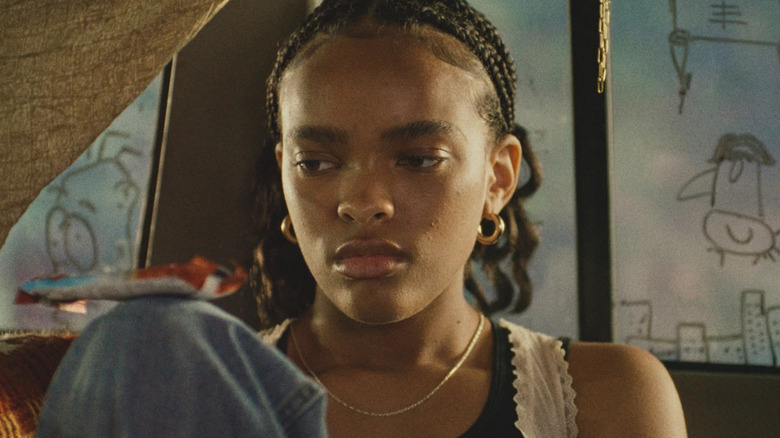
The latest contribution to this growing movement comes from Neon with the release of “It Ends.” This feature marks the directorial debut of Alexander Ullom, a visionary filmmaker in his 20s who is tapping into the zeitgeist of modern isolation. By focusing on the anxiety of being caught in a space that feels like a waiting room for nowhere, Ullom’s work exemplifies why this subgenre is resonating so strongly with contemporary viewers. As digital spaces become more curated and physical spaces feel increasingly transient, the horror of the “in-between” has never felt more relevant.