


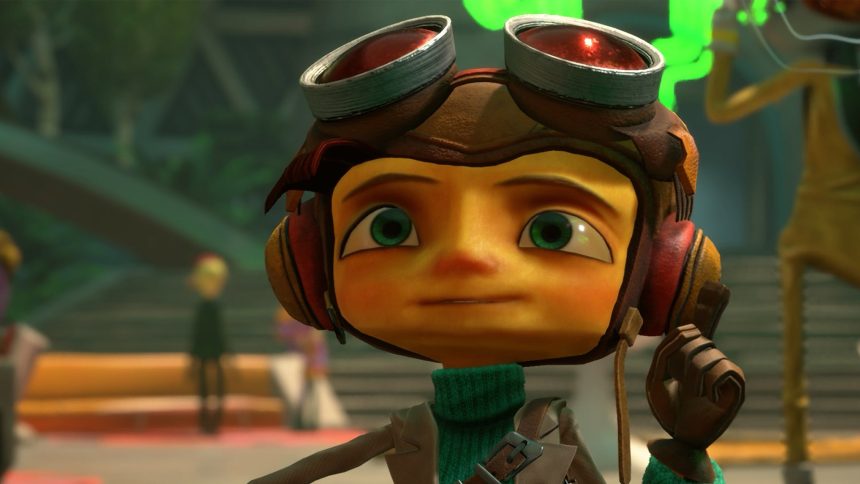
Double Fine Reclaims Creative Independence: A New Era for the Studio
Last Updated: August 21, 2026, 10:53 PM UTC
In a significant shift for the gaming landscape, Double Fine Productions-the visionary team behind cult classics like Psychonauts and Brutal Legend-has officially announced that it has reclaimed the intellectual property (IP) and publishing rights for its entire back catalog. This transition follows the studio’s formal separation from its long-standing partnership with Xbox.
A Fresh Start for a Creative Powerhouse
The news was confirmed by studio head Tim Schafer during a recent appearance on Kinda Funny Games. As the studio pivots toward its next chapter, fans have been eager to understand how they can best support the developers. Schafer addressed these concerns directly, emphasizing that the studio’s newfound autonomy is a major milestone for their future projects.
“The transfer of the IP came back to us, and we get the publishing rights back to all our games,” Schafer explained during the broadcast. This move effectively places the reins of their creative legacy back into the hands of the original creators, allowing them to steer the ship without the constraints of previous corporate publishing agreements.
Navigating the Transition
While the legal and administrative shift is largely complete, Schafer noted that the transition is not instantaneous. Some digital storefronts or legacy documentation may still reflect Microsoft as the rights holder for certain titles.
“It just takes a while for it to all process,” Schafer remarked, acknowledging the bureaucratic hurdles inherent in such a massive transfer of assets. Despite these minor lingering labels, the core reality remains: the studio is now the primary beneficiary of its own work.
Why Your Support Matters More Than Ever
For independent studios, the ability to retain IP rights is the lifeblood of long-term sustainability. In an industry where developers often lose control of their creations to publishers, Double Fine’s situation is a rare success story.
By purchasing these titles today, players are directly funding the studio’s ability to continue developing the eccentric, high-concept games that have defined their reputation for decades. Much like an author regaining the rights to their own novels, this autonomy ensures that the studio can focus on innovation rather than navigating complex licensing agreements. As the gaming industry continues to consolidate, Double Fine’s move to reclaim its identity serves as a powerful example of prioritizing creative freedom.