



Harvard’s New Frontier: Scaling Entrepreneurial Mentorship with AI Avatars
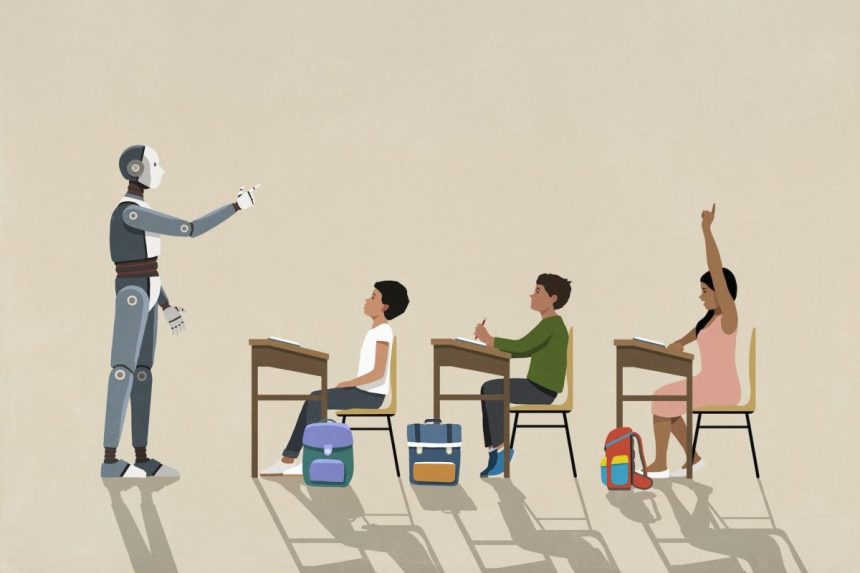
Harvard Business School (HBS) is pushing the boundaries of digital education by integrating artificial intelligence avatars into its curriculum to deliver personalized, scalable feedback. As the institution looks to broaden its global impact, it has turned to cutting-edge technology to bridge the gap between high-level instruction and individual student needs.
The HBS Foundry Experience
At the heart of this initiative is the HBS Foundry, an intensive eight-week bootcamp designed specifically for aspiring entrepreneurs. Priced at $699, the program balances traditional pedagogical methods with modern innovation. While students still benefit from weekly live sessions led by human faculty, the heavy lifting of iterative practice-such as refining pitch decks and simulating board meetings-is now handled by AI-powered avatars developed by the startup HeyGen.
Testing the Digital Mentor
The efficacy of these virtual instructors was recently put to the test by New York Times journalist Sarah Kessler. During her evaluation, she pitched a whimsical business concept-a service dubbed “Uber for bananas”-to a digital replica of Flybridge Capital co-founder Jeff Bussgang.
The experience highlighted both the potential and the current limitations of the technology. While the AI avatar provided feedback consistent with the real-world investor’s expertise, Kessler noted a distinct “uncanny valley” effect, specifically pointing out the avatar’s somewhat rigid, frozen smile during the interaction. Despite these aesthetic quirks, the core functionality of the feedback loop remained intact, mirroring the critical scrutiny one would expect from a seasoned venture capitalist.
From Chatbots to Interactive Coaches
The evolution of this project reflects a shift in how educational institutions approach AI integration. Katharina Rings, the project director, initially conceptualized the AI component as a simple, text-based chatbot. However, user feedback from early trials proved that students were craving a more immersive, guided experience. By pivoting to video-based avatars, HBS has moved beyond static information delivery toward a more dynamic, conversational coaching model.
The Changing Landscape of AI in Higher Education
This move comes at a pivotal time for academia. While a significant portion of the student population remains skeptical-or even openly hostile-toward the encroachment of AI in the classroom, HBS is betting that the utility of on-demand, expert-level feedback will outweigh these concerns. As AI adoption in professional settings continues to rise, with recent data suggesting that over 70% of startups are now utilizing some form of generative AI for operational efficiency, Harvard’s experiment serves as a bellwether for the future of executive education.