



Beyond the Epic: Why Modern Fantasy Needs More Levity
We are currently living in a period defined by the “Peak TV” fantasy boom. Following the massive cultural footprint of Game of Thrones, streaming giants and networks have doubled down on high-stakes, grim, and sprawling sagas. From the intricate world-building of The Wheel of Time to the cinematic scope of The Rings of Power, the current landscape is dominated by heavy armor, political intrigue, and somber tones. While these productions have certainly “elevated” the genre, they often overlook the whimsical, irreverent roots that made fantasy so accessible in the first place.
The Missing Ingredient: A Return to Whimsical Fantasy
While animation has successfully kept the spirit of lighthearted fantasy alive, live-action television has largely abandoned the comedic sensibilities found in cult classics like The Princess Bride or the absurd, biting wit of Monty Python and the Holy Grail. There is a distinct lack of balance in today’s market; audiences are constantly served “serious” epics, leaving a void for those who prefer their dragons with a side of satire rather than a side of existential dread.
According to recent industry trends, while dark fantasy remains a top performer, there is a growing audience demand for “cozy” or comedic genre-bending content. Despite this, the industry remains hesitant to invest in projects that don’t fit the “prestige drama” mold. This is a missed opportunity, as the most memorable stories often thrive on subverting expectations rather than just expanding the scale of the battlefield.
The Hidden Gem of the 2010s
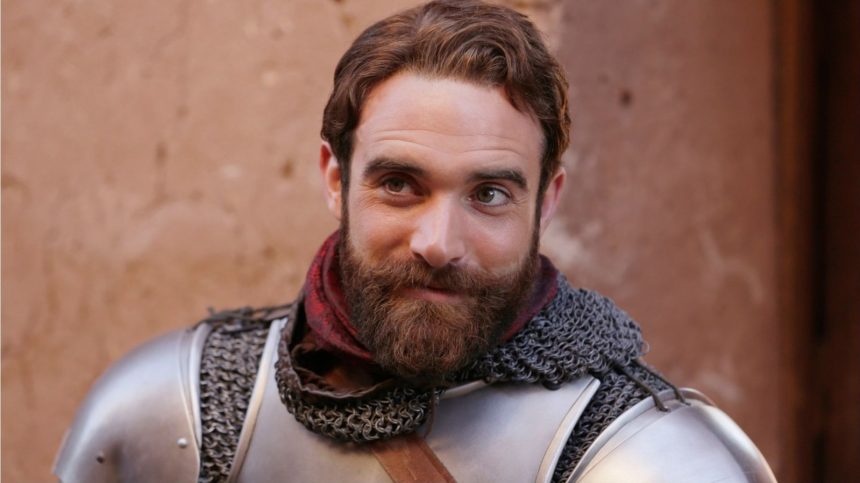
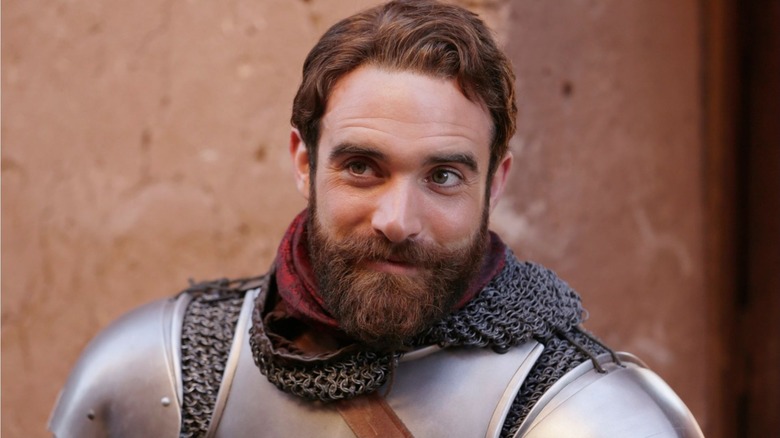
If you find yourself exhausted by the relentless intensity of modern fantasy, there is a forgotten treasure from the 2010s that dared to break the mold. This series embraced the musical, the meta, and the downright silly, offering a refreshing departure from the standard “chosen one” narrative. It was a show that understood that the best way to honor the tropes of medieval fantasy was to poke fun at them with genuine affection.
This short-lived series remains a masterclass in comedic timing and genre deconstruction. It serves as a reminder that fantasy doesn’t always need to be “epic” to be essential. For viewers who crave the charm of Ella Enchanted or the sharp humor of Galavant, this series stands as a testament to what happens when a show prioritizes joy over grit.