





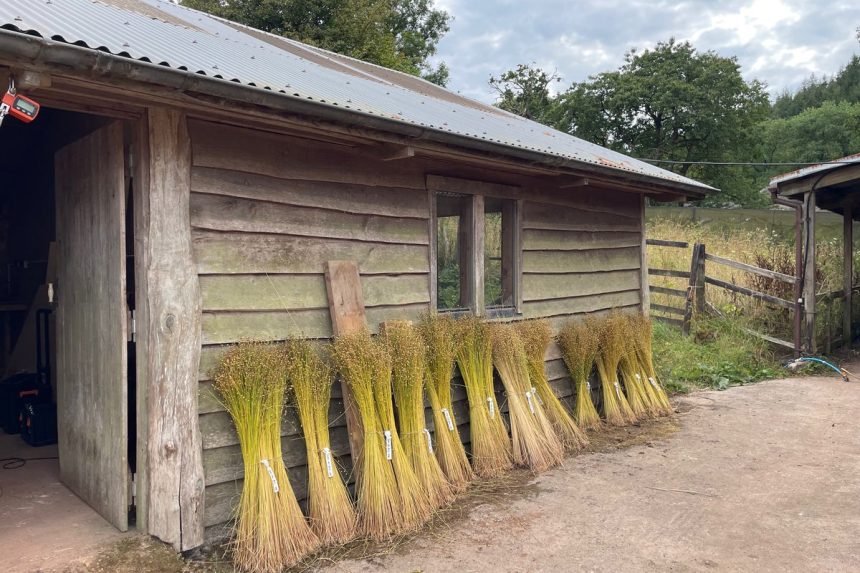
## From Soil to Stitch: Reimagining Our Connection to Clothing
The transformation of a tiny seed into a finished garment is nothing short of alchemy. It begins in the earth, where flax sprouts into a sea of fragile blossoms, only to be harvested, refined, spun into thread, and finally interlaced into linen. This intricate odyssey demands patience, specialized expertise, and the labor of countless individuals-a human element that has largely vanished from the modern retail experience.
### The Shift from Quantity to Quality
Is it possible for the fashion industry to pivot away from the relentless cycle of overconsumption? By fostering a deeper appreciation for the items we already own, we might trigger a broader cultural shift. This change in perspective could transcend our closets, fundamentally altering how we approach the consumption of food, natural resources, and everyday goods.
### Bridging the Gap Between Field and Fabric
Zoe Gilbertson, the visionary behind Common Cloth Works and the digital community Liflad, is spearheading an initiative to bridge the divide between the garment industry and the agricultural roots that sustain it. Her work emphasizes a “place-based” clothing model, which encourages consumers to consider the geography and local craftsmanship behind their apparel.
According to recent industry data, the fashion sector is responsible for approximately 8-10% of global carbon emissions, largely due to the disconnect between raw material production and the end consumer. By shortening supply chains and prioritizing local sourcing, we can significantly reduce this environmental footprint.
### Reclaiming Lost Knowledge
“We have suffered a profound loss of wisdom by isolating the clothing industry from farming,” Gilbertson notes. She argues that by re-establishing a tangible link to our local landscape and understanding the origins of our textiles, we can cultivate a more sustainable and meaningful relationship with what we wear.
Just as a home-cooked meal tastes better when you know the farmer who grew the vegetables, clothing gains value when we understand the journey from the field to the loom. This isn’t just about buying less; it’s about buying with intention and honoring the labor embedded in every fiber.