




## The Strategic Pivot: How BMW is Reclaiming Its Edge in China’s EV Market
For decades, the hallmark of BMW’s status in China was defined by the roar of a combustion-powered straight-six engine. The iconic kidney grille served as a status symbol, commanding a premium price tag from affluent consumers in metropolitan hubs like Shanghai and Beijing. However, the automotive landscape in the world’s largest electric vehicle market has shifted dramatically. Faced with intense pressure from agile, tech-forward domestic manufacturers, BMW has realized that incremental updates are no longer sufficient. To maintain its relevance, the German automaker is abandoning its traditional playbook in favor of a radical, localized strategy.
### A New Philosophy for a New Era
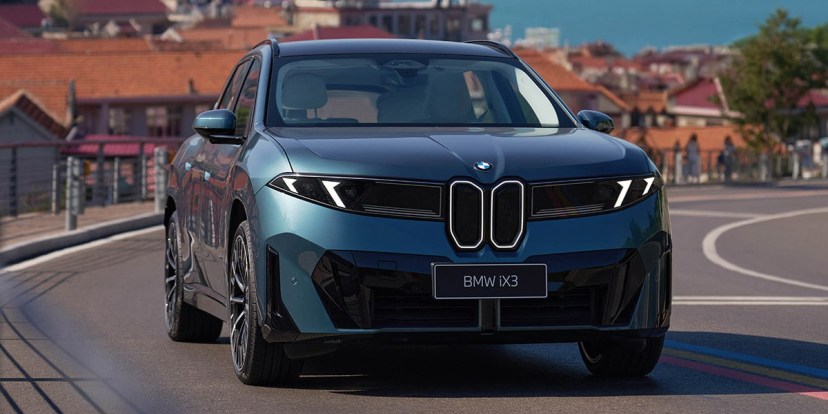
BMW’s response to the competitive squeeze is a complete philosophical overhaul. Rather than simply tweaking existing models, the company has unveiled a fresh approach tailored specifically for the Chinese consumer: the all-new, long-wheelbase iX3 and i3. These vehicles represent more than just a product launch; they signify a fundamental change in how BMW intends to compete in an era dominated by software-defined mobility and rapid electrification.
### The Neue Klasse Foundation
At the heart of this transformation is the “Neue Klasse” architecture. This is a deliberate nod to BMW’s history, referencing the pivotal 1960s platform that famously pulled the company back from the brink of financial collapse. By reviving this moniker, BMW is signaling that it views the current transition to electric mobility as an existential turning point-one that requires the same level of innovation and structural ingenuity that saved the brand over half a century ago.
### Why Localization Matters
The decision to prioritize long-wheelbase variants for the Chinese market is a calculated move to address local preferences for rear-seat comfort and interior space. While domestic rivals like BYD and NIO have captured market share by integrating advanced infotainment and autonomous driving features, BMW is betting that its heritage of engineering excellence, combined with this new, flexible architecture, will allow it to bridge the gap. With China’s EV penetration rate now exceeding 50% in some months, the stakes have never been higher for legacy luxury brands to prove they can innovate at the speed of their local competitors.