

![[Event Review] Lane 8 Brings His Immersive This Never Happened Experience to Dublin’s Index](https://www.mixtv1.com/wp-content/uploads/2026/10/44066-attachment.jpg)


by Alex Billington
August 26, 2026
Source: YouTube

A Deep Dive into the Mind of a Hip-Hop Icon
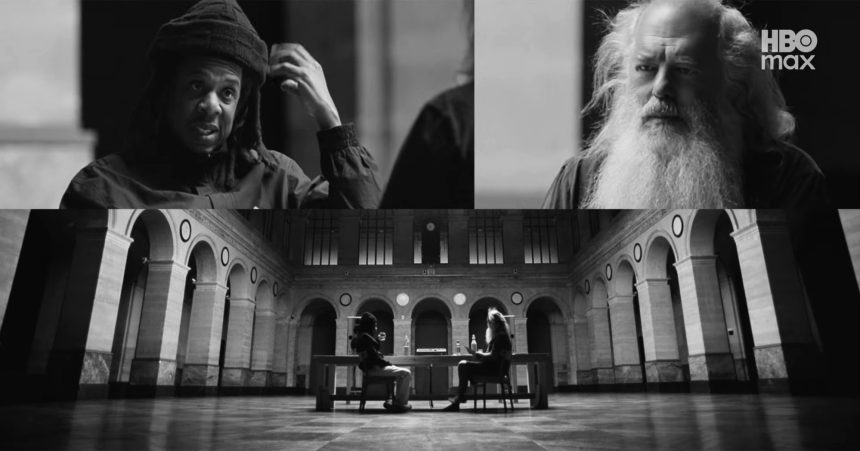
HBO Max has officially pulled back the curtain on the trailer for its highly anticipated documentary project, JAŸ-Z in ∞ (stylized with the infinity symbol). This expansive eight-part series serves as a masterclass in lyrical analysis and creative philosophy, positioning the legendary rapper in an intimate, long-form dialogue with iconic producer Rick Rubin.
The Creative Synergy of Rubin and Carter
Stepping into the director’s chair for the first time, Rick Rubin-whose own storied career includes collaborations with everyone from the Beastie Boys to Johnny Cash-facilitates a raw, unfiltered exploration of artistry. For those unfamiliar with Rubin’s unique approach to capturing musical history, you can explore his previous work in this doc.
The series functions much like a literary critique of a modern poet. Rather than a standard biographical timeline, the show focuses on the mechanics of songwriting. JAŸ-Z deconstructs his most influential verses, explaining how his upbringing in the Marcy Projects and his subsequent rise to global superstardom informed the specific vocabulary he chose to use. It is a rare look at how a lyricist transforms lived trauma and triumph into cultural touchstones.
Why This Series Matters for Music History
In an era where streaming platforms are saturated with quick-hit music content, JAŸ-Z in ∞ stands out by prioritizing depth over speed. The series highlights the “infinity” of the creative process, suggesting that a song is never truly finished, but rather a living document that evolves alongside the artist. With executive production by Academy Award-winner Daniel Kaluuya, the project carries a cinematic weight that elevates it beyond a typical music industry retrospective.
By examining the intersection of personal identity and commercial success, the series provides a blueprint for aspiring artists. It serves as a reminder that the most enduring music is often that which remains most tethered to the artist’s authentic reality, a lesson that remains as relevant today as it was when JAŸ-Z first hit the charts in the mid-90s.