




The Evolution of the Electric City Car: Renault’s Strategic Refinement
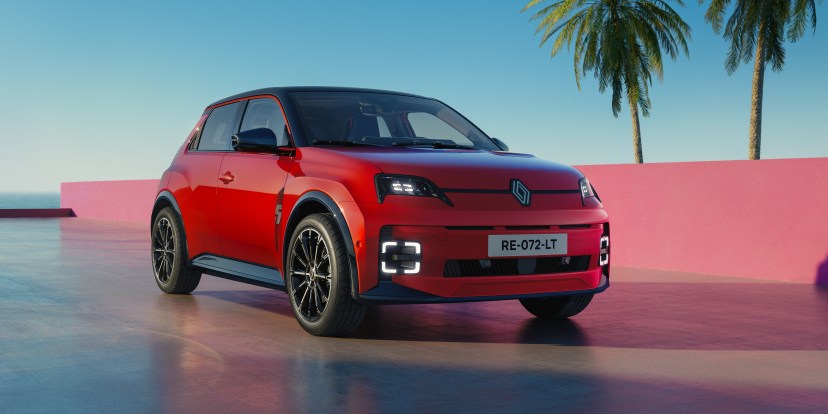
For decades, compact French hatchbacks have defied expectations, consistently outperforming larger vehicles by prioritizing agility and sheer driving pleasure over raw size. With the revival of the Renault 5 as a retro-futuristic electric vehicle (EV), the automotive world finally witnessed a blueprint for the ideal urban commuter. Rather than resting on the laurels of its aesthetic success, Renault’s engineering team has opted for continuous improvement, quietly implementing a series of technical refinements that elevate the small EV segment to a new standard of performance.
A Legacy of Innovation: From 1972 to the Modern Era
To grasp the significance of these updates, one must examine Renault’s historical approach to vehicle design. When the original R5 debuted in 1972, it fundamentally shifted the public perception of what a small car could achieve. It wasn’t just a budget-friendly runabout; it was a masterclass in space efficiency and character. Today, the electric iteration of the 5 serves as a spiritual successor, proving that the transition to battery power doesn’t require sacrificing the “fun-to-drive” factor that defined the brand’s golden era.
Beyond Aesthetics: The Engineering Behind the Upgrade
While the initial launch of the electric Renault 5 garnered significant praise for its nostalgic design, the recent technical adjustments suggest a deeper commitment to longevity and efficiency. In the competitive landscape of 2024, where EV adoption is accelerating-with global electric car sales projected to surpass 17 million units by the end of the year-Renault is focusing on optimizing powertrain software and battery thermal management. These “under-the-hood” tweaks are designed to maximize range in real-world conditions, ensuring that the vehicle remains a top-tier choice for city dwellers who demand reliability alongside style.
Redefining the Urban Driving Experience
The shift toward these silent, iterative updates highlights a broader trend in the automotive industry: the move toward “living” vehicles that improve over time. By refining the chassis dynamics and power delivery, Renault is effectively bridging the gap between a standard city car and a true hot hatch. Much like how a high-end smartphone receives firmware updates to enhance battery life and processing speed, the modern Renault 5 is being tuned to ensure that its performance remains sharp, responsive, and ahead of the curve in an increasingly crowded market.