




The Silent Decline of Optical Media: Why Disc Drives Are Vanishing
The gaming industry is currently facing a quiet but significant infrastructure crisis. While much of the conversation surrounding the death of physical media focuses on consumer preference, the reality is far more mechanical: the global supply chain for optical disc drives is rapidly disintegrating.
### The Supply Chain Collapse
Recent insights from industry insider Jez Corden regarding Microsoft’s internal initiatives suggest that the shift toward digital-only consoles isn’t merely a strategic choice-it is a logistical necessity. The components required to manufacture high-quality optical drives are becoming increasingly scarce. As consumer habits shift heavily toward digital storefronts, manufacturers are shuttering assembly lines that once produced these drives, pivoting instead toward more profitable, high-demand hardware components.
This creates a difficult environment for console manufacturers. Even if a company wanted to maintain a physical-first strategy, they are finding it harder to source the necessary parts at a sustainable price point. It is a classic industrial feedback loop: as demand for physical media drops, the cost of maintaining the specialized supply chain for disc drives rises, eventually making the technology obsolete by default.
### The “Chicken or the Egg” Dilemma
Critics often debate whether this transition was forced upon gamers or if it was a natural evolution. It is undeniable that publishers have spent the last decade aggressively incentivizing digital purchases through subscription services like Xbox Game Pass and PlayStation Plus, as well as frequent digital-only sales. By prioritizing digital ecosystems, publishers have effectively starved the physical market, making the current supply chain collapse feel like an inevitable conclusion rather than a sudden surprise.
### Sony’s Unique Position in the Physical Market
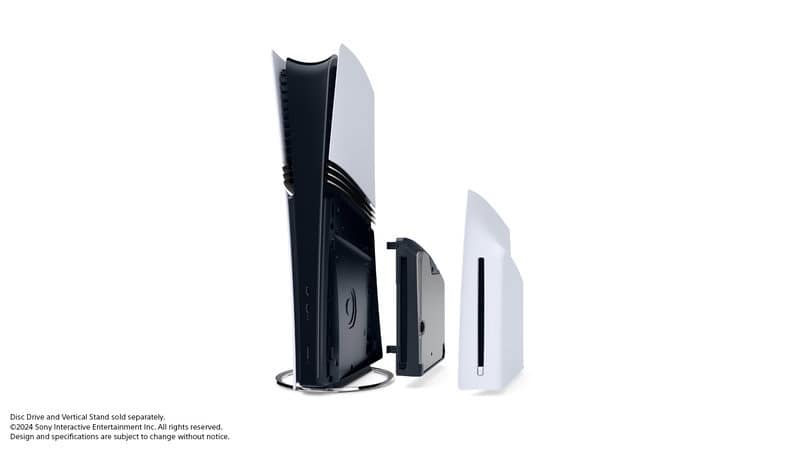
Despite the industry-wide trend, Sony remains an outlier. Even when the 4K UHD Blu-Ray format struggled to gain mainstream traction in the home video market, Sony remained committed to the technology. By integrating Blu-Ray support into the PlayStation ecosystem, they provided a lifeline for physical media that other tech sectors abandoned years ago.
Sony’s history suggests they have the capacity to innovate in this space if they choose to. Should they decide to buck the digital-only trend, they possess the technical expertise to develop a proprietary home media format-one that could serve both the next generation of gaming and high-fidelity home entertainment. However, the question remains: will the cost of maintaining such a niche supply chain eventually outweigh the brand loyalty of physical media collectors?
As it stands, the era of the disc drive is nearing its sunset. Whether this is a tragedy for game preservation or a necessary step toward a streamlined digital future, the hardware reality is clear: the components are disappearing, and the industry is moving on.