



Limbic Entertainment’s Independence: Lessons from the Corsair Cove Success Story
The landscape of game development is constantly shifting, and few stories illustrate this better than the recent trajectory of Limbic Entertainment. Following their departure from the corporate umbrella of Bandai Namco in late 2025, the studio has found a renewed sense of creative freedom. According to Communications Manager Christopher Grünewald, this transition back to independence has been a catalyst for the studio’s current momentum, particularly regarding their hit title, Corsair Cove.
A Strategic Pivot to Autonomy
For nearly two decades, Limbic Entertainment operated as a self-sufficient entity after its founding in 2002. The brief three-year stint under Bandai Namco-which began with the publisher acquiring a majority stake-was a period of growth, but the return to private ownership has allowed the team to reclaim full control over their intellectual property. As the studio approaches its 24th anniversary, this move feels less like a disruption and more like a return to their roots.
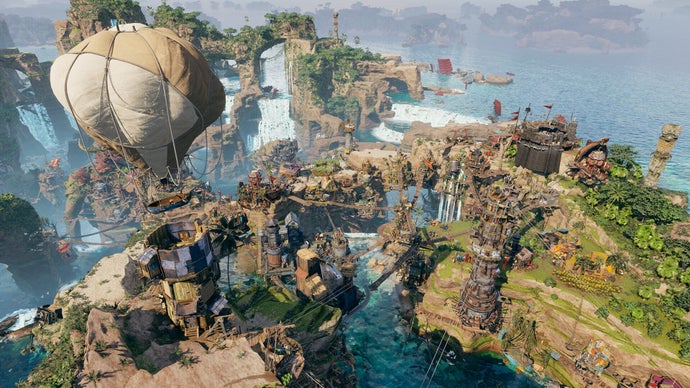
Grünewald notes that the separation was amicable. Despite the industry trend of consolidation, Bandai Namco remains supportive of the studio’s recent achievements. In the volatile world of game development, where titles like Park Beyond struggled to capture the sustained audience engagement that publishers demand, Corsair Cove has managed to carve out a profitable niche. By focusing on player-driven mechanics and a distinct pirate-themed aesthetic, the game has outperformed expectations, proving that independent agility can often outpace the rigid structures of larger corporate mandates.
Why Corsair Cove Resonates Where Others Faltered
The success of Corsair Cove serves as a case study in modern management. While many simulation games suffer from “feature creep” or overly complex UI systems that alienate casual players, Limbic’s latest project prioritizes intuitive gameplay loops. This mirrors the success seen in other recent indie-to-AA hits, such as Timberborn or Against the Storm, which thrive by refining a single, compelling core mechanic rather than attempting to be everything to everyone.
By retaining full ownership of their IP, Limbic is now empowered to iterate on Corsair Cove without the bureaucratic hurdles that often accompany publisher-led projects. “We can do whatever we want,” Grünewald explained during Gamescom 2026. This creative liberty is vital; it allows the developers to respond to community feedback in real-time, a luxury that is frequently stifled in larger, multi-layered corporate environments.
Looking Toward the Future
Limbic Entertainment’s journey highlights a broader industry trend: the “indie-plus” model. As studios realize that the support of a massive publisher can sometimes come at the cost of creative direction, many are choosing to leverage their experience to go solo. With a legacy spanning over two decades, Limbic is well-positioned to navigate this path. Their ability to pivot from the lessons learned during the Park Beyond era to the triumph of Corsair Cove suggests that the studio’s best work may still be ahead of them.