


Elevating Virtual Life: How GTA 6 Aims to Redefine NPC Realism
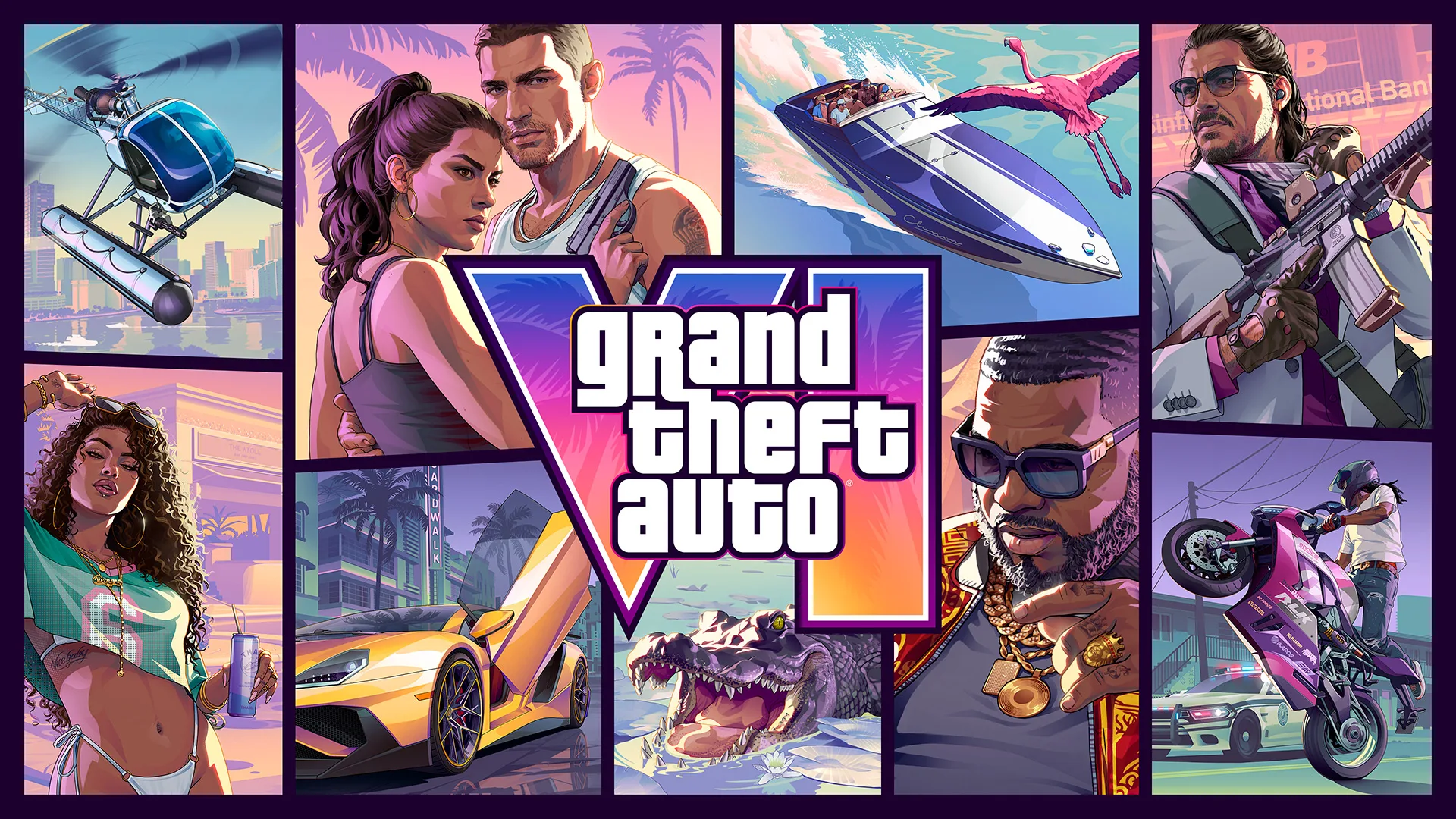
The gaming community is buzzing with anticipation for Grand Theft Auto 6, a title poised to push the boundaries of digital immersion. Building on the technical foundation laid by Red Dead Redemption 2, Rockstar Games is setting a new benchmark for what players can expect from an open-world environment.
A Dedicated Vision for Non-Player Characters
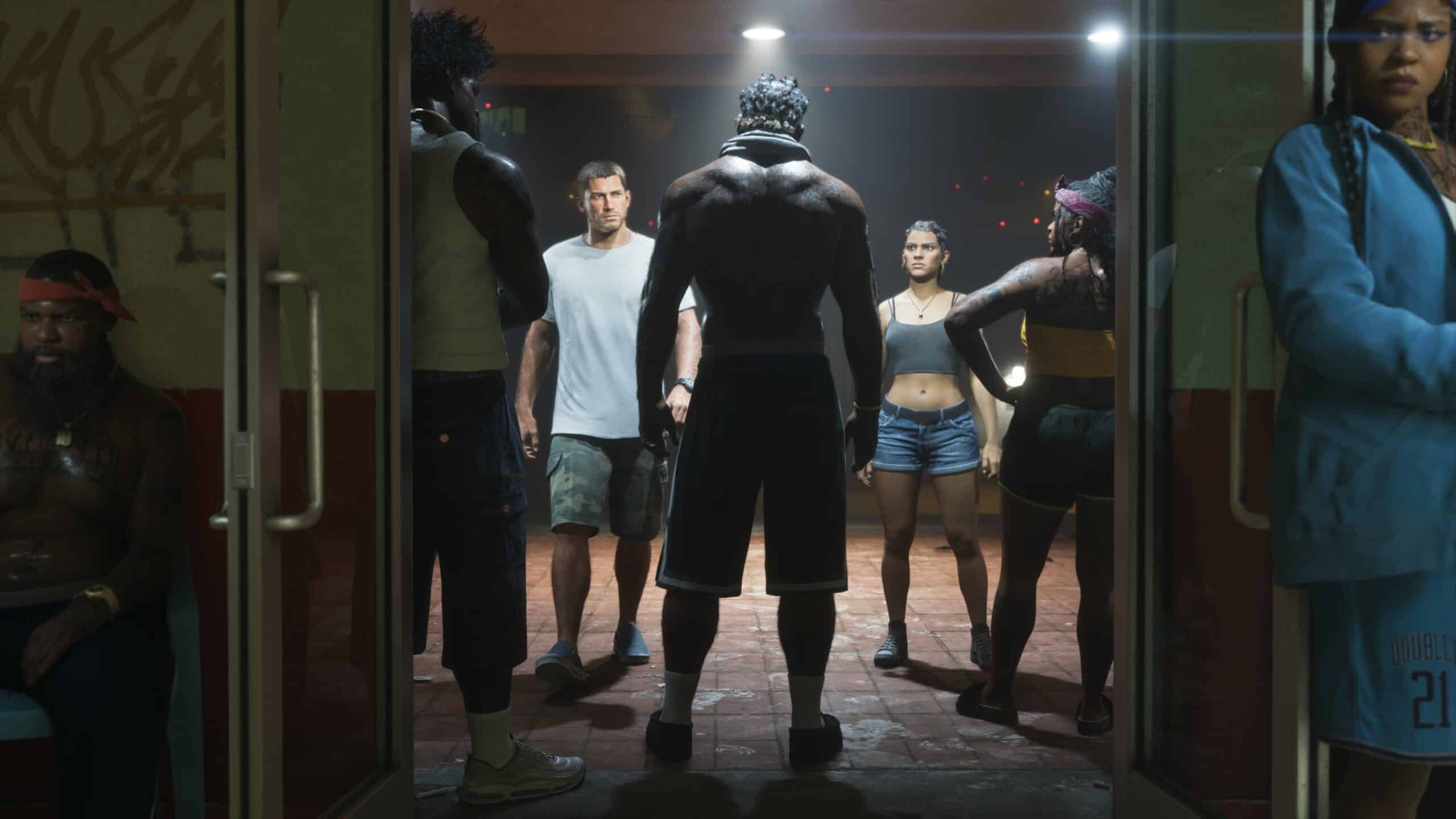
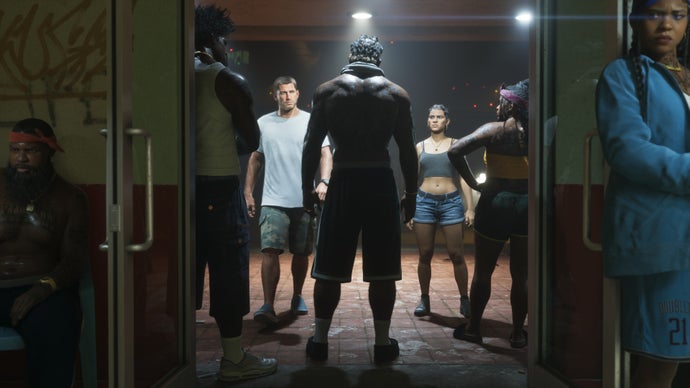
To achieve an unprecedented level of authenticity, Rockstar Games has inaugurated a specialized division based in Los Angeles. This team, comprised of seasoned writers, directors, and producers, is tasked with a singular mission: crafting non-player characters (NPCs) that feel genuinely alive. Rather than relying on generic assets, the studio is “art-directing” each individual character to ensure they possess unique identities and backstories.
This granular approach to world-building is a significant departure from traditional game design. By focusing on the micro-details-such as the specific beverage a character is holding or the intricate tattoos that mirror their personal history-Rockstar is creating a living, breathing ecosystem. As Aaron Garbut, co-head of Rockstar North, noted in a discussion with The New York Times, every interior space is meticulously curated. From the framed family photos on a wall to the specific wear-and-tear on a tabletop, every element is intentionally placed to tell a story about the person inhabiting that space.
The Evolution of Interactive Fidelity
Rob Nelson, also a co-head at Rockstar North, characterizes the upcoming installment as a natural evolution of the studio’s previous work. While Red Dead Redemption 2 was lauded for its breathtaking scale and attention to detail, GTA 6 aims to apply those same principles to a dense, modern urban landscape.
The challenge lies in scaling this “interactive fidelity.” While the frontier of the 1890s allowed for a more isolated, atmospheric experience, the bustling streets of a modern metropolis require a much higher density of unique interactions. Industry analysts suggest that with the current advancements in AI and procedural generation, Rockstar is likely leveraging machine learning to manage the complexity of these thousands of unique NPC behaviors, ensuring that the world feels reactive rather than scripted.
By bridging the gap between the cinematic storytelling of their past titles and the chaotic, high-energy nature of the Grand Theft Auto franchise, Rockstar is positioning this release to be the most immersive experience in the history of the series.