



A Shift in Perspective: Defining Morality in Metro 2039
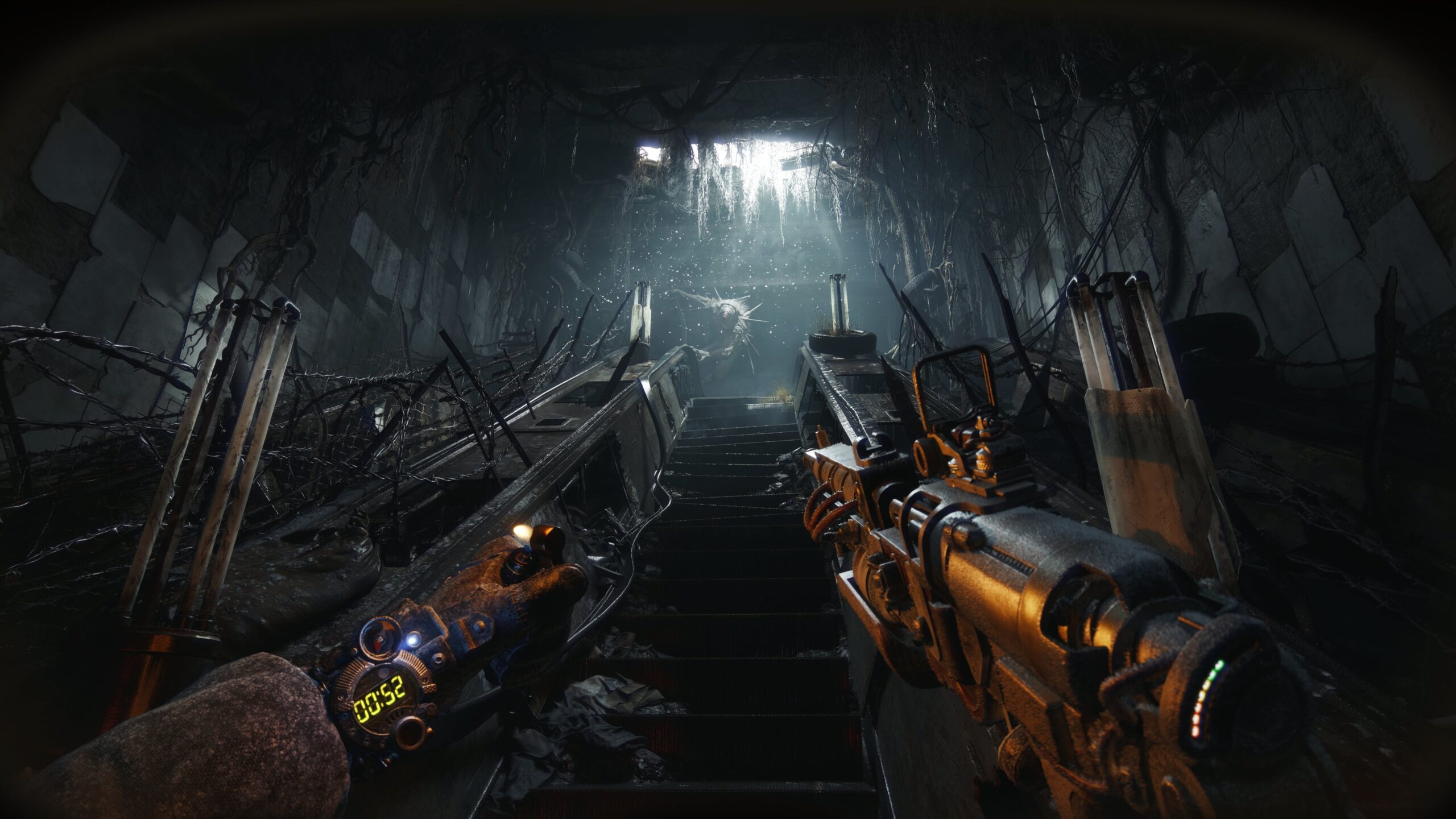
The Metro franchise has long been defined by its suffocating atmosphere and the desperate, often brutal choices survivors make to endure in a post-apocalyptic wasteland. However, 4A Games is taking a bold narrative turn with Metro 2039. While the series has historically thrived on ambiguity, this latest installment moves away from the murky ethical dilemmas of the past, opting instead for a stark, uncompromising portrayal of good versus evil.
The Evolution of the Karma System
Fans of the series will immediately recognize the return of the Karma system, a mechanic that tracks player behavior and influences the game’s outcome. In earlier titles like Metro: Last Light, this system was often opaque, rewarding players for subtle, non-violent actions-such as choosing to spare specific creatures or avoiding unnecessary combat during stealth sequences.
In Metro 2039, however, the developers are recalibrating how this system functions. Rather than rewarding players for navigating a spectrum of gray choices, the game is designed to reflect a world where the lines between right and wrong have been drawn in blood. As the global gaming industry continues to see a rise in narrative-driven shooters, 4A Games is betting that a more direct approach to morality will heighten the tension of the experience.
War Without Ambiguity
Executive producer Jon Bloch recently spoke with GamesRadar regarding this thematic pivot. He noted that while previous entries focused on the struggle to prevent conflict, Metro 2039 operates under the assumption that the catastrophe has already arrived.
“In our earlier games, we focused on the morality of player choices and the prevention of war,” Bloch explained. “With Metro 2039, we wanted to ensure the morality was clear. There is no hope, no future-except the one the Führer is promising to bring in. We are exploring the direct consequences of war, because war is here.”
By removing the “moral grayness,” the developers are forcing players to confront the harsh reality of their environment. In a landscape where survival is the only currency, the game challenges players to decide if they will succumb to the darkness or fight against the absolute tyranny presented by the game’s antagonists. This shift mirrors a broader trend in modern gaming, where developers are increasingly using environmental storytelling to emphasize the finality of player decisions in high-stakes, war-torn settings.