

![Onslaught Director Adam Wingard Reveals The Hardest Part Of Making His Godzilla Movies [Exclusive]](https://www.mixtv1.com/wp-content/uploads/2026/09/27475-attachment-860x483.jpg)
From Indie Horror to Kaiju Spectacle: Adam Wingard’s Creative Evolution
Warner Bros.
The trajectory of filmmaker Adam Wingard is a masterclass in genre versatility. Before he was orchestrating the earth-shattering clashes of the MonsterVerse, Wingard was a staple of the independent horror circuit. His career began in 2007 with the gritty, unsettling Home Sick, a project that debuted at the Fantasia International Film Festival and set the tone for his early, low-budget aesthetic.
Building a Reputation Through Genre-Bending
Throughout the late 2000s, Wingard honed his craft with experimental and visceral projects like Pop Skull, A Horrible Way to Die, and Autoerotic. However, his breakthrough into the mainstream consciousness arrived in 2011 with You’re Next. This home-invasion thriller was lauded for its sharp subversion of genre tropes and intense pacing. He followed this success with 2014’s The Guest, a stylish, synth-heavy thriller that felt like a dark, modern reimagining of a rogue-soldier narrative. Interestingly, fans of his work will find a thematic bridge between that cult classic and his latest project, Onslaught, which is set within the same narrative framework.
The Transition to Blockbuster Filmmaking
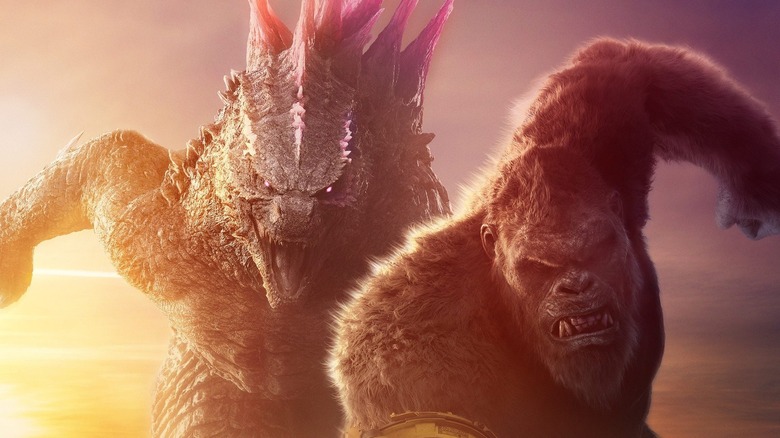
Wingard’s unique visual language eventually caught the attention of major studios, leading him to helm high-profile projects such as the 2016 Blair Witch sequel. His portfolio continued to expand as he adapted the manga series “Death Note” for Netflix, showcasing his ability to handle complex source material. By 2021, he had firmly established himself as a blockbuster director with Godzilla vs. Kong, a film that proved he could scale his intimate knowledge of tension and pacing to the massive, city-leveling proportions required by the kaiju genre.
The Unique Challenges of Directing Titans
Directing a Godzilla film is a monumental task that differs significantly from the contained horror films of his past. While a home-invasion movie relies on the claustrophobia of a single location, a MonsterVerse entry requires managing massive digital assets, complex choreography, and a sense of scale that must feel both overwhelming and grounded. For Wingard, the hardest part of this transition wasn’t just the technical complexity of CGI; it was maintaining the emotional core of the characters while ensuring the audience remained invested in the spectacle of two legendary titans colliding. Balancing the “human” element against the sheer scale of the monsters remains the most demanding aspect of his current directorial work.