





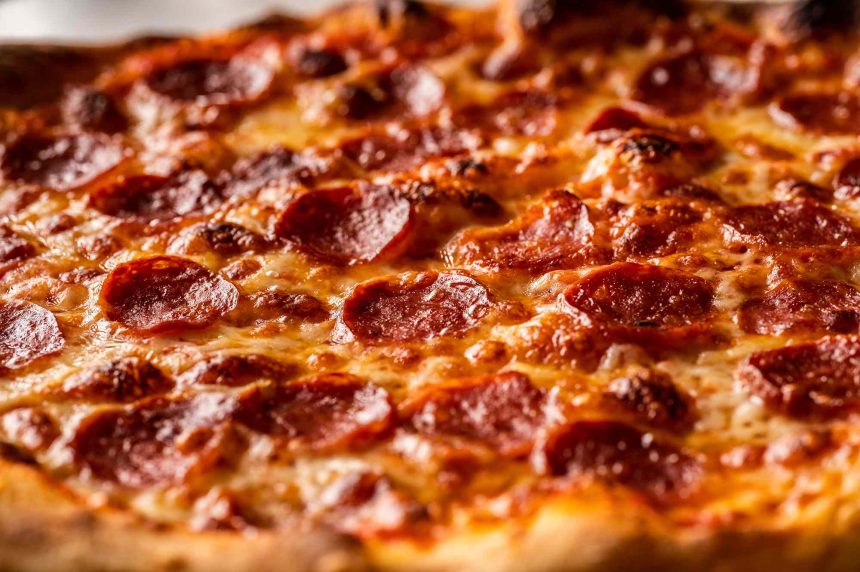
The Legacy of New Haven Pizza: A Century of Coal-Fired Excellence
For over a hundred years, the culinary landscape of Connecticut has been anchored by a specific, coal-fired tradition that has elevated the humble pizza into a regional icon. While many associate pizza culture primarily with New York or Chicago, the “New Haven-style” pie-often referred to locally as “apizza”-stands in a league of its own, defined by a charred, thin crust and a minimalist approach to toppings.
The Pillars of the New Haven Tradition
The foundation of this enduring reputation rests upon three legendary establishments that have operated for generations. These institutions didn’t just serve food; they established a rigorous standard for what a pizza should be. By utilizing high-heat coal ovens, these pizzerias achieve a signature “leopard-spotted” char that provides a distinct crunch, contrasting beautifully with a chewy, airy interior.
Why “Apizza” Remains a Culinary Benchmark
What sets this style apart is the philosophy of restraint. Unlike the heavy, cheese-laden pies found elsewhere, a traditional New Haven tomato pie focuses on the quality of the dough and the vibrancy of the sauce.
* The Crust: Fermented for long periods to develop complex flavors, the dough is stretched thin and blasted at temperatures exceeding 800°F.
* The Toppings: The classic “white clam pie,” a staple of the region, relies on fresh littleneck clams, garlic, oregano, and olive oil, proving that you don’t need a mountain of mozzarella to create a masterpiece.
A Lasting Impact on American Gastronomy
Recent data from the pizza industry suggests that regional styles are seeing a massive resurgence in popularity, with New Haven-style pizzerias now expanding into major metropolitan hubs across the U.S. This growth is a testament to the timelessness of the craft. Much like the way a master carpenter relies on the quality of the wood rather than the complexity of the varnish, these pizzerias rely on the integrity of their ingredients and the intensity of their coal-fired ovens.
The influence of these three original pioneers continues to ripple through the modern food scene, proving that when you perfect a craft, you don’t need to reinvent it-you simply need to maintain the standard.