



### The Evolution of Audacity: A Modern Leap for Audio Production
With nearly two decades of experience tracking the pulse of the technology sector, it is clear that few software updates have been as anticipated-or as scrutinized-as the latest iteration of Audacity. While the project faced a wave of skepticism last year regarding a polarizing logo redesign, the final release proves that the developers have prioritized substance over aesthetics. The result is a transformation that elevates the platform from a utilitarian, albeit cumbersome, audio utility into a sophisticated, modern workstation.
#### From Clunky Utility to Streamlined Powerhouse
For years, Audacity held the title of the “world’s most popular audio editing and recording app” primarily due to its accessibility and zero-cost barrier to entry. However, its interface often felt like a relic of the early 2000s. This latest update addresses those legacy pain points, refining the user experience to compete with professional-grade digital audio workstations (DAWs). The developers have successfully modernized the engine, ensuring that the software feels intuitive for both hobbyists and seasoned sound engineers.
#### Embracing Non-Destructive Editing
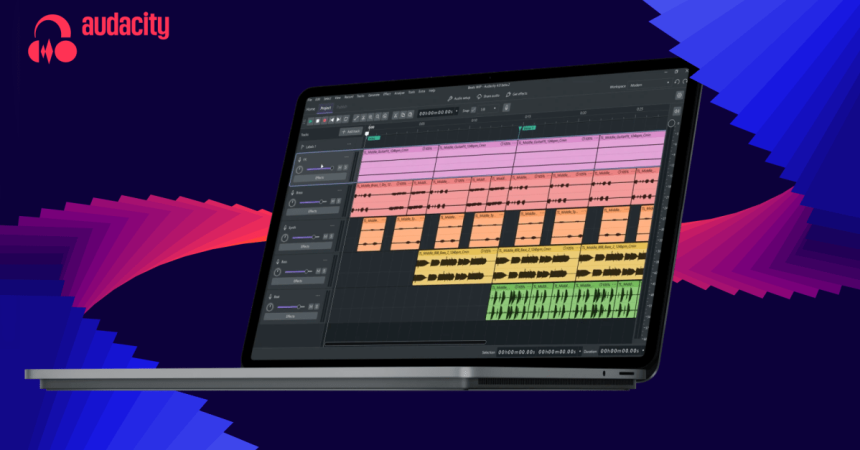
The most significant architectural shift in this release is the transition to a non-destructive editing workflow. In previous versions, cutting or trimming audio was a permanent action that required an “undo” command to reverse. Now, the software treats audio segments as flexible objects.
If you trim a clip too aggressively, you no longer need to re-import the file; you can simply hover over the edge of the clip and drag it outward to restore the hidden audio. This flexibility extends to the timeline itself, where clips can now overlap seamlessly. This change removes the rigid constraints that previously made complex arrangements a chore, allowing for a more fluid, experimental approach to sound design.
#### Why This Matters for Creators
To put this into perspective, consider the difference between working with a physical tape machine versus a modern digital canvas. In the past, Audacity functioned like a tape deck-once you cut the tape, the edit was final. Today, it functions more like a digital collage, where every element remains adjustable until the final export.
According to recent industry data, the demand for accessible, high-quality audio editing tools has surged by over 25% as podcasting and short-form video content continue to dominate digital media. By adopting these professional standards, Audacity is positioning itself to remain the industry standard for creators who need power without the steep learning curve-or the high price tag-of enterprise software.