




Revolutionizing Feline Nutrition: The Rise of Smart Wet Food Dispensers
For years, the automatic pet feeders available on the market have been largely one-dimensional, catering almost exclusively to dry kibble diets. However, the landscape of pet care technology is shifting. During a recent walkthrough of the IFA 2026 exhibition in Berlin, a groundbreaking innovation caught my eye: a sophisticated feeding solution specifically engineered for cat owners who prioritize wet food but struggle with the logistics of a busy schedule.
Why Wet Food Automation Matters
Veterinarians frequently recommend wet food for cats due to its high moisture content, which is essential for kidney health and urinary tract maintenance. According to recent industry data, nearly 60% of cat owners now incorporate wet food into their pet’s daily regimen. Despite this, the convenience of automation has historically been reserved for dry food users. The emergence of smart wet food feeders bridges this gap, allowing owners to maintain a healthy, hydrating diet for their pets without needing to be home for every mealtime.
A New Standard in Pet Tech
Think of these new devices as the “smart kitchen” equivalent for your pet. Much like a programmable multicooker manages temperature and timing to ensure a perfect meal, these feeders utilize climate-controlled compartments to keep canned food fresh and palatable for hours. This prevents the spoilage and bacterial growth that typically occur when wet food is left out in a standard bowl.
If you are looking to upgrade your pet’s dining experience, you can explore the latest options here: The Best Pet Tech, As Tested by CNET Editors.
Key Considerations for Modern Pet Parents
When transitioning to an automated wet
Revolutionizing Feline Nutrition: The Smart Wet-Food Kitchen for Cats
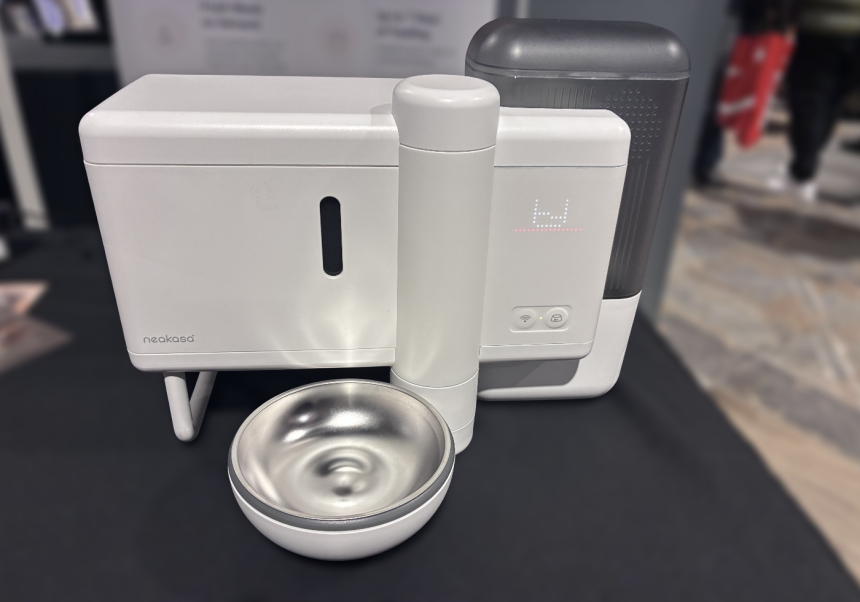
For cat owners who prioritize wet food but struggle with the demands of a hectic schedule, a new innovation is changing the game. The Neakasa system functions much like a high-tech, automated chef for your pet, ensuring they receive fresh, moisture-rich meals without you needing to be home.
Why Wet Food Automation Matters
Veterinarians often recommend wet food for cats due to its high water content, which is essential for kidney health and urinary tract support. According to recent pet health studies, cats fed exclusively dry kibble are at a higher risk for dehydration-related issues. However, the inconvenience of manually serving wet food-which can spoil if left out too long-often forces owners to rely on dry alternatives.
How the Smart Feeder Works
Think of this device as a precision-engineered culinary station for your feline. Instead of simply dispensing pre-packaged food, the system manages the preparation and delivery process:
* On-Demand Preparation: The unit crafts meals exactly when your cat is ready to eat.
* App-Integrated Scheduling: Through a dedicated smartphone interface, you can program feeding times to align with your cat’s natural circadian rhythm, even if you are working late or traveling.
* Freshness Guaranteed: By automating the serving process, the device eliminates the “crusty bowl” problem, ensuring every meal is served at peak freshness.
A Practical Solution for Modern Pet Parents
While the concept of a “robotic kitchen” for pets might seem futuristic, it addresses a very real pain point for the modern professional. It bridges the gap between the health benefits of a wet-food diet and the convenience of automated dry-food dispensers. By removing the human error of forgetting a feeding or being unable to return home, this technology provides peace of mind while keeping your cat’s nutritional needs at the forefront.