




The iPhone Duo: A Familiar Echo in Apple’s Folding Future
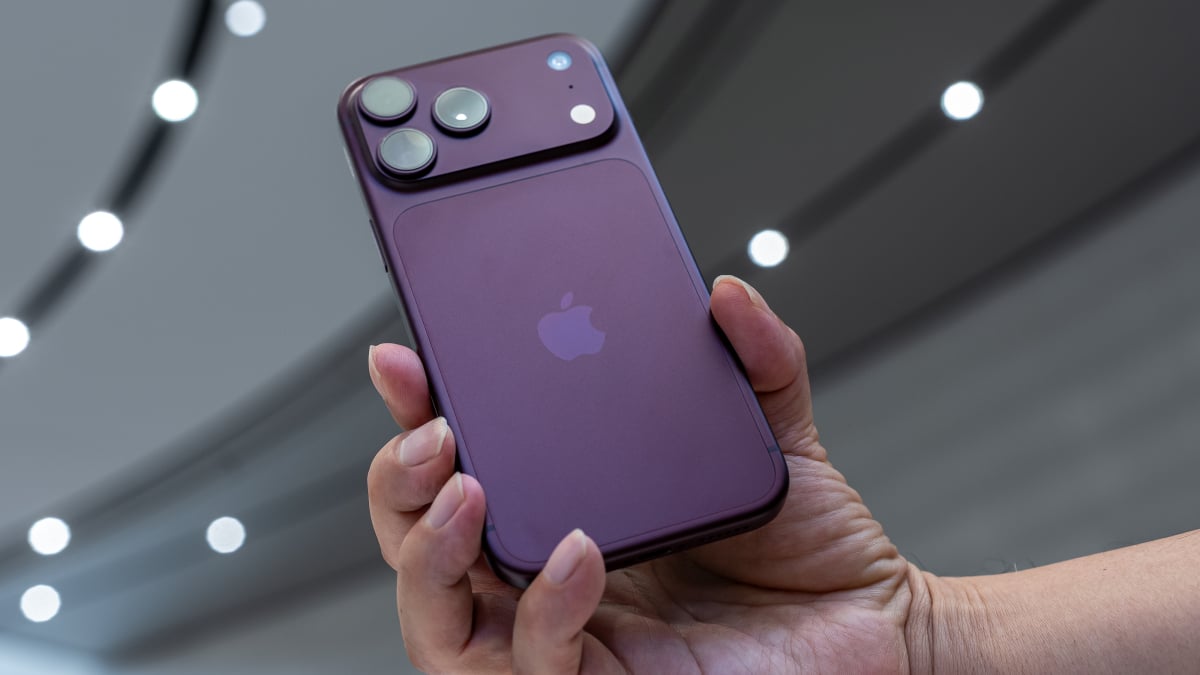
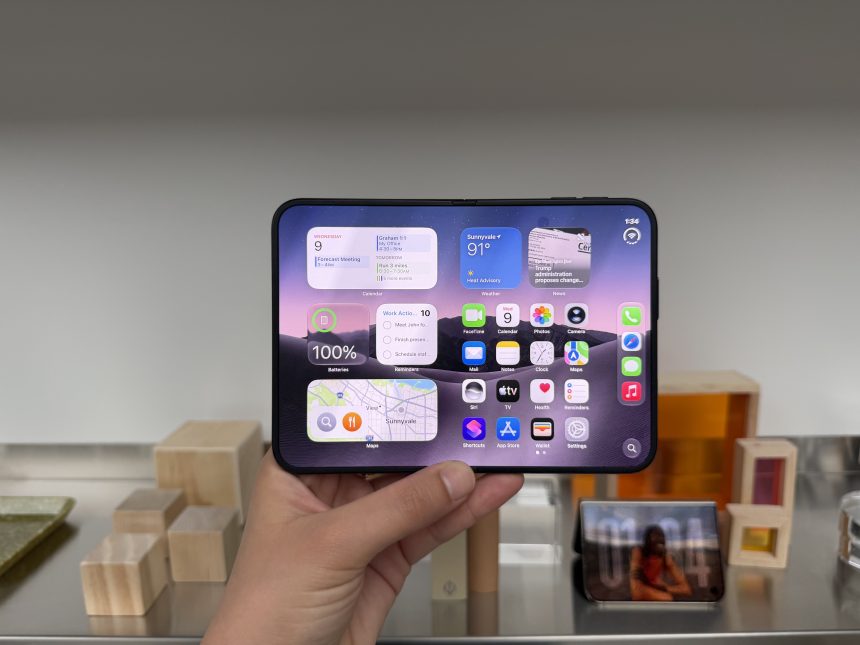
Watching the recent Apple “Surprise and shine” presentation felt like stepping into a time loop. The unveiling of the iPhone Duo, the tech giant’s inaugural foray into the foldable market, immediately brought to mind the industry’s earlier experiments with dual-screen hardware. Specifically, it mirrors the 2020 launch of the Microsoft Surface Duo.
Reflecting on my past discussions with Panos Panay-who served as Microsoft’s chief product officer during that era-I recall the excitement surrounding the hinge mechanism. While the concept of a dual-screen device felt like a futuristic breakthrough, the execution often fell short of the “dream phone” ideal. It was a bold vision that struggled to bridge the gap between mobile convenience and desktop utility.
The Blurred Lines of Portable Computing
This sense of déjà vu extends beyond just folding phones. As I draft these reflections, I am working on an iPad Air paired with a Magic Keyboard. This setup serves as a perfect case study for the current state of mobile productivity: it is a device that frequently, yet inconsistently, manages to act as a legitimate substitute for my MacBook.
With the global foldable smartphone market projected to reach over 100 million units by 2027, Apple’s entry is clearly timed to capture a maturing audience. However, the challenge remains the same as it was in 2020: hardware innovation is only half the battle. The real test for the iPhone Duo will be whether its software ecosystem can finally make the “foldable” form factor feel like a necessity rather than a novelty, effectively solving the identity crisis that has plagued tablets and dual-screen devices for years.