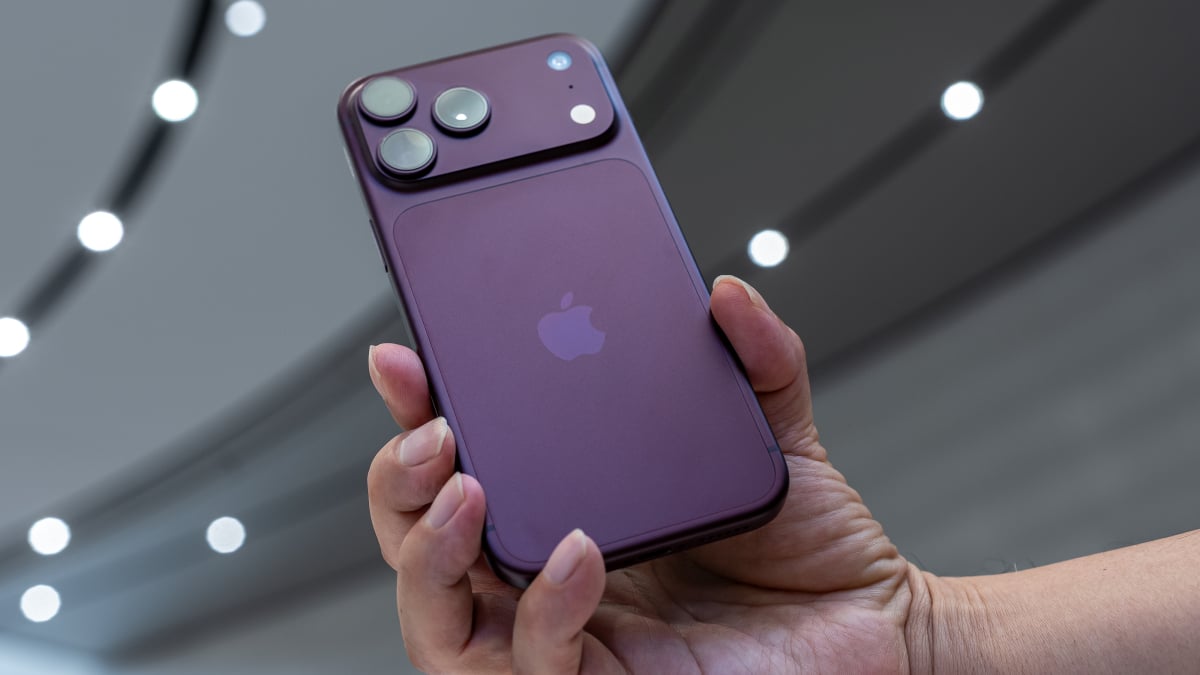






The Apple iPhone Duo: A New Era or Just Another Foldable?
Following a deluge of rumors that seemed endless, the iPhone Duo has officially arrived. This launch marks a historic milestone for Cupertino; it is the first significant departure from the standard smartphone silhouette since the debut of the original iPhone nearly two decades ago. For a company that typically favors refinement over radical experimentation, entering the foldable market is a monumental shift.
Learning from the Foldable Legacy
While this is a fresh chapter for Apple, the foldable landscape is far from uncharted territory. The industry has been iterating on this technology for years-the Samsung Galaxy Fold, for instance, has been on the market for seven years, serving as a pioneer for the category. We have witnessed a parade of devices from various manufacturers, some of which vanished so quickly that even the Microsoft Duo-a dual-screen attempt that preceded many modern foldables-has largely faded from public memory.
Current market data suggests that while foldable adoption is growing, it remains a niche segment, accounting for roughly 1-2% of total global smartphone shipments. This indicates that despite the “wow” factor, the technology is still maturing.
The Reality Check for Apple Loyalists
If you are a long-time iPhone user considering the jump to the Duo, it is vital to look past the sleek marketing. We are well-acquainted with the inherent strengths and persistent weaknesses of foldable hardware. There is a common assumption that because Apple waited years to enter the fray, they would have magically eliminated the durability and software friction that plague competitors. However, the reality is more nuanced.
Transitioning to a foldable isn’t just about enjoying a larger screen; it involves adjusting to a device that is inherently more fragile and complex. Whether it is the visible crease that develops over time or the specialized app optimization required to make the most of the expanded display, the “Duo” experience comes with a unique set of trade-offs that even Apple’s engineering prowess cannot entirely bypass.