




Navigating the Kitchen Aisle: A Science-Backed Guide to Cooking Fats
Selecting the right cooking oil can feel overwhelming given the sheer variety of options lining grocery store shelves. However, understanding the chemistry behind these fats-specifically their smoke points and fatty acid profiles-can simplify your choices. By prioritizing heart-healthy fats and knowing which ones to use sparingly, you can significantly improve the nutritional profile of your home-cooked meals.
The Gold Standard: Oils to Keep in Your Pantry
When it comes to daily cooking, experts generally point toward oils rich in monounsaturated and polyunsaturated fats. These fats are linked to improved cardiovascular health and reduced inflammation.
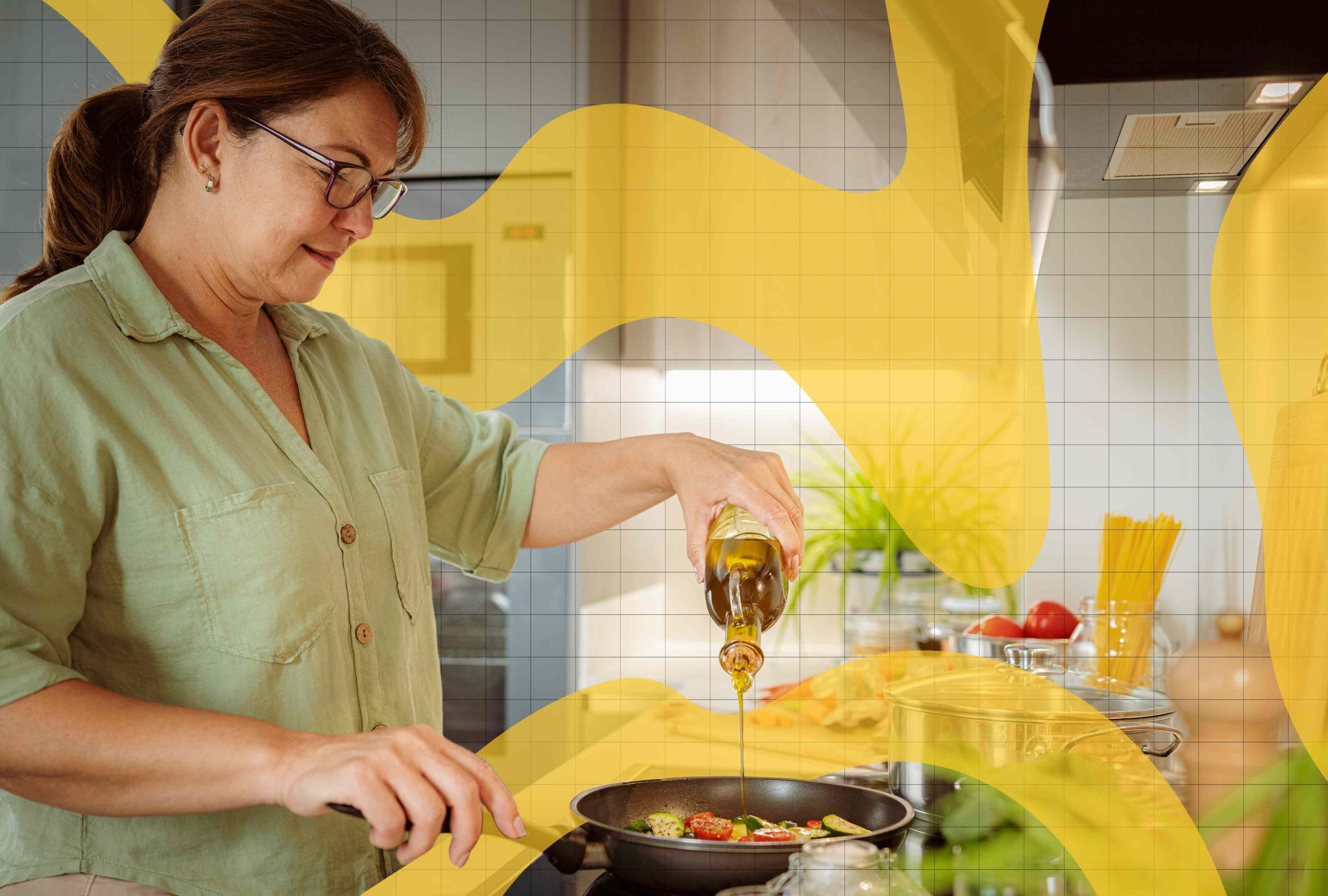
* Extra Virgin Olive Oil (EVOO): Often considered the cornerstone of the Mediterranean diet, EVOO is packed with polyphenols-powerful antioxidants that protect your cells. Contrary to popular belief, high-quality olive oil is stable enough for most sautéing and roasting tasks.
* Avocado Oil: With a remarkably high smoke point (reaching up to 520°F), avocado oil is the ideal candidate for high-heat searing or grilling. It offers a neutral flavor profile and a healthy dose of oleic acid.
* Canola and Grapeseed Oils: These are excellent “workhorse” oils. They are versatile, budget-friendly, and contain a favorable balance of omega-3 and omega-6 fatty acids, making them suitable for baking or light frying.
Understanding Smoke Points and Stability
A common misconception is that all oils behave the same under heat. In reality, every oil has a “smoke point”-the temperature at which it begins to break down, releasing harmful free radicals and acrid flavors.
For instance, while unrefined flaxseed oil is a nutritional powerhouse when drizzled over a cold salad, it is highly unstable when heated. Conversely, refined oils like avocado or light olive oil are engineered to withstand intense heat without degrading. Always match your oil to your cooking method: save the delicate, cold-pressed oils for finishing dishes and reserve the refined, high-smoke-point oils for the stovetop.
Fats to Use in Moderation
While no fat is inherently “evil,” some should be used with more discretion due to their high saturated fat content.
* Tropical Oils (Coconut and Palm): While popular in certain culinary traditions, these oils are very high in saturated fats. Current nutritional guidelines suggest limiting these to prevent spikes in LDL (bad) cholesterol.
* Highly Processed Vegetable Blends: Some generic “vegetable oils” are heavily refined and may contain trace amounts of trans fats if not processed carefully. Whenever possible, opt for oils that are cold-pressed or expeller-pressed to ensure you are getting a cleaner product.
Practical Tips for Healthier Cooking
To maximize the health benefits of your kitchen fats, consider these three strategies:
- Store Properly: Light, heat, and oxygen are the enemies of oil quality. Keep your bottles in a cool, dark cupboard rather than right next to the stove.
- Don’t Overheat: If your oil starts smoking in the pan, it has already begun to lose its nutritional value and flavor. Remove it from the heat immediately.
- Variety is Key: Just as you rotate your vegetables, rotate your oils. Using a mix of avocado oil for searing and olive oil for dressings ensures you get a diverse range of fatty acids and antioxidants.
By making these small, science-backed adjustments, you can transform your cooking from a simple chore into a health-conscious culinary practice.