




The End of the 30-Minute Wait: The EV Charging Revolution
For years, the electric vehicle industry operated under a tacit agreement: drivers would accept a 30-minute charging stop as the necessary compromise for sustainable, zero-emission travel. It was the standard “price of admission” for switching away from internal combustion engines. However, recent breakthroughs emerging from China suggest that this compromise is rapidly becoming obsolete. The era of the half-hour wait is being dismantled by a wave of innovation that prioritizes speed above all else.
A New Frontier in Charging Velocity
The landscape of EV infrastructure is shifting at a breakneck pace. Manufacturers are no longer just competing on range; they are locked in an arms race to see who can minimize downtime. The latest developments highlight a clear trend toward sub-10-minute charging capabilities:
- Sunwoda’s Rapid Advancement: The company has made waves with its 10-minute charging tech, proving that high-capacity batteries can handle extreme power intake without compromising longevity.
- BYD’s Global Expansion: BYD is aggressively deploying its 9-minute charging infrastructure across both China and Europe, aiming to make “charging anxiety” a relic of the past.
- Systemic Efficiency: Beyond just the main battery, companies like Leapmotor are optimizing vehicle architecture, such as killing the 12V battery to reduce weight and parasitic power loss.
Geely’s 2.2 Megawatt Breakthrough
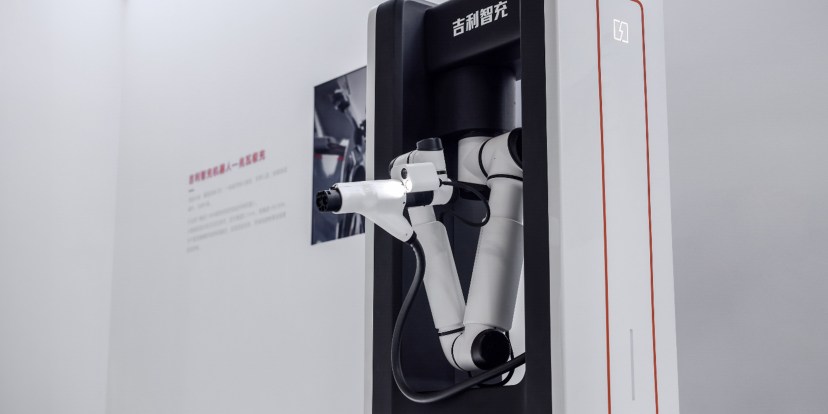
While many manufacturers are currently celebrating the milestone of 1-megawatt charging, Geely has decided to leapfrog the competition entirely. During a recent showcase at its Global All-Domain Safety Center in Ningbo, the automotive giant unveiled a consumer-facing charging architecture capable of delivering a staggering 2.2 megawatts of power.
To put this into perspective, this level of power delivery is akin to fueling a traditional gas car in the time it takes to grab a coffee. By pushing the boundaries of thermal management and electrical architecture, Geely is signaling that the future of EV ownership will mirror the convenience of the gas station experience. As these technologies move from the lab to the public grid, the primary barrier to mass EV adoption-time-is effectively being removed.