


### Elevating Precision: Microsoft’s Next-Gen Surface Mouse Introduces Haptic Feedback
For over two decades, veteran tech journalist Tom Warren has chronicled the evolution of the PC landscape. As a senior correspondent and the voice behind the Notepad newsletter, he has tracked Microsoft’s hardware journey from its infancy to its current AI-integrated era. Now, the company is set to redefine desktop interaction with the upcoming release of its second-generation Surface Mouse.
#### Tactile Innovation Meets Desktop Navigation
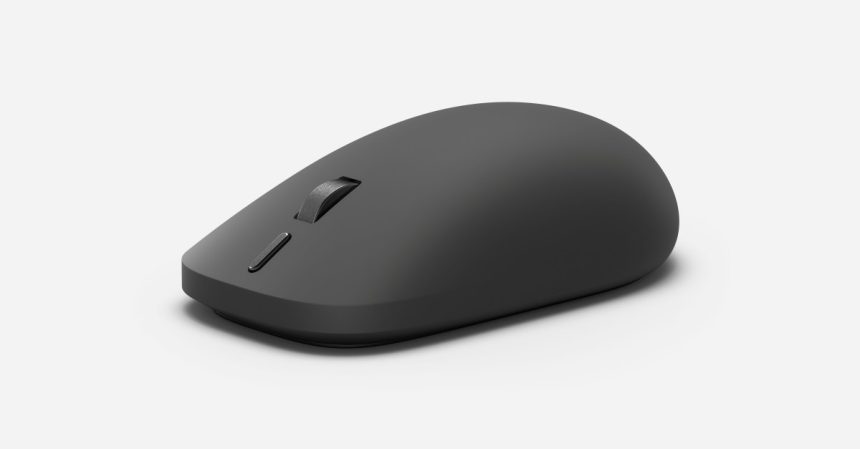
The standout feature of this new peripheral is the integration of haptic feedback. Rather than relying solely on visual cues, the mouse provides physical sensations that mirror digital actions. Whether you are snapping a window into a corner, aligning a graphic, or simply clicking a button, the device offers a subtle, purposeful vibration.
Brett Ostrum, corporate vice president of Surface Devices, notes that the experience is designed to be understated yet addictive. “It is subtle by design, but noticeable within seconds – and hard to give up once you have it,” Ostrum explains. This shift toward “tactile computing” aims to bridge the gap between the digital interface and the physical world, making software interactions feel more grounded.
#### Customization and the Copilot Integration
Beyond haptics, Microsoft is introducing a dedicated, customizable action button. While the hardware is optimized for immediate access to Copilot-aligning with the company’s broader strategy of embedding AI into the Windows ecosystem-users are not locked into this choice. Through the Surface app, the button can be remapped to trigger custom shortcuts, macros, or specific application commands, offering a level of personalization previously unseen in the Surface mouse lineup.
#### Expanding the Haptic Ecosystem
The utility of this haptic engine extends well beyond basic OS navigation. While the feature is deeply integrated into the core Windows 11 experience-providing feedback for drag-and-drop operations and window management-it also supports third-party creative software. Users working in professional suites like Affinity, Filmora, Concepts, and PowerPoint will benefit from tactile confirmation during precise tasks.
This rollout follows Microsoft’s strategic push to bring haptic support to Windows 11, which began earlier this year. By standardizing this feedback loop, Microsoft is positioning its hardware to be more than just a pointing device; it is becoming a sensory extension of the operating system. As haptic technology becomes more prevalent in consumer electronics-much like the transition from mechanical keyboards to refined, low-profile switches-this mouse represents a significant step toward a more responsive computing environment.