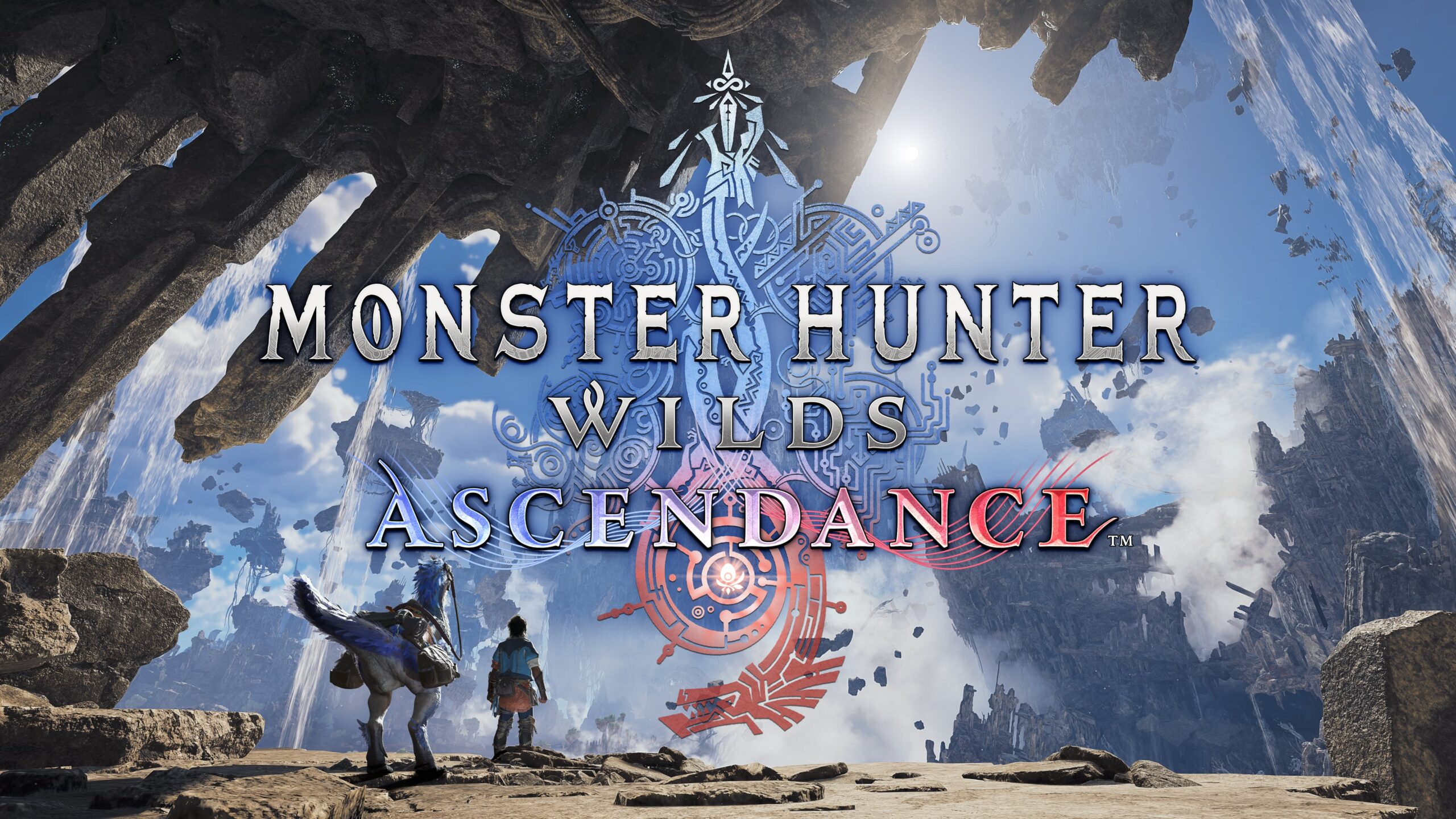




Refining the Hunt: Capcom’s Strategy for Monster Hunter Wilds: Ascendance
As Capcom gears up for the highly anticipated Monster Hunter Wilds: Ascendance expansion arriving next year, the development team is under pressure to deliver a more polished experience. Series producer Ryozo Tsujimoto recently addressed the technical hurdles that plagued the base game’s PC release, outlining how the studio is pivoting its development philosophy to ensure the upcoming Master Rank content meets player expectations.
Applying Lessons from a Rocky Launch
In a recent interview with VideoGamesChronicle, Tsujimoto emphasized that the team is not ignoring the feedback received during the initial launch window. The transition to high-fidelity, open-world environments on PC presented unique optimization challenges that the studio is now better equipped to handle.
“We have been dedicating significant effort to integrating the insights gained from the Monster Hunter Wilds launch into the development of Ascendance,” Tsujimoto explained. He noted that achieving consistent performance across a vast spectrum of PC hardware-ranging from entry-level rigs to high-end enthusiast setups-requires extensive research and iterative testing. For the team, this is a process of building institutional knowledge; they are treating the base game’s performance struggles as a foundational learning experience to ensure the expansion runs with greater stability.
Beyond Frame Rates: A Holistic Approach to Feedback
While technical optimization is a primary focus, the development team is also looking at broader player sentiment. In the modern gaming landscape, where titles like Cyberpunk 2077 have demonstrated that post-launch redemption is possible through dedicated updates, Capcom is aiming to avoid the “fix-it-later” cycle by prioritizing stability from day one of the expansion.
The industry standard for PC ports has shifted significantly; according to recent data from Steam hardware surveys, the diversity of GPU configurations has reached an all-time high, making “one-size-fits-all” optimization nearly impossible. By acknowledging these complexities, Tsujimoto suggests that the team is moving toward a more modular approach to performance, ensuring that Ascendance can scale effectively regardless of the player’s specific hardware configuration.
Ultimately, the success of Ascendance will hinge on whether Capcom can translate these internal lessons into a smoother, more immersive experience for the community. With the Master Rank expansion looming, players are hopeful that the “Ascendance” title will represent a true rise in quality for the franchise.