



Meta’s Strategic Pivot: Scaling the Muse AI Ecosystem
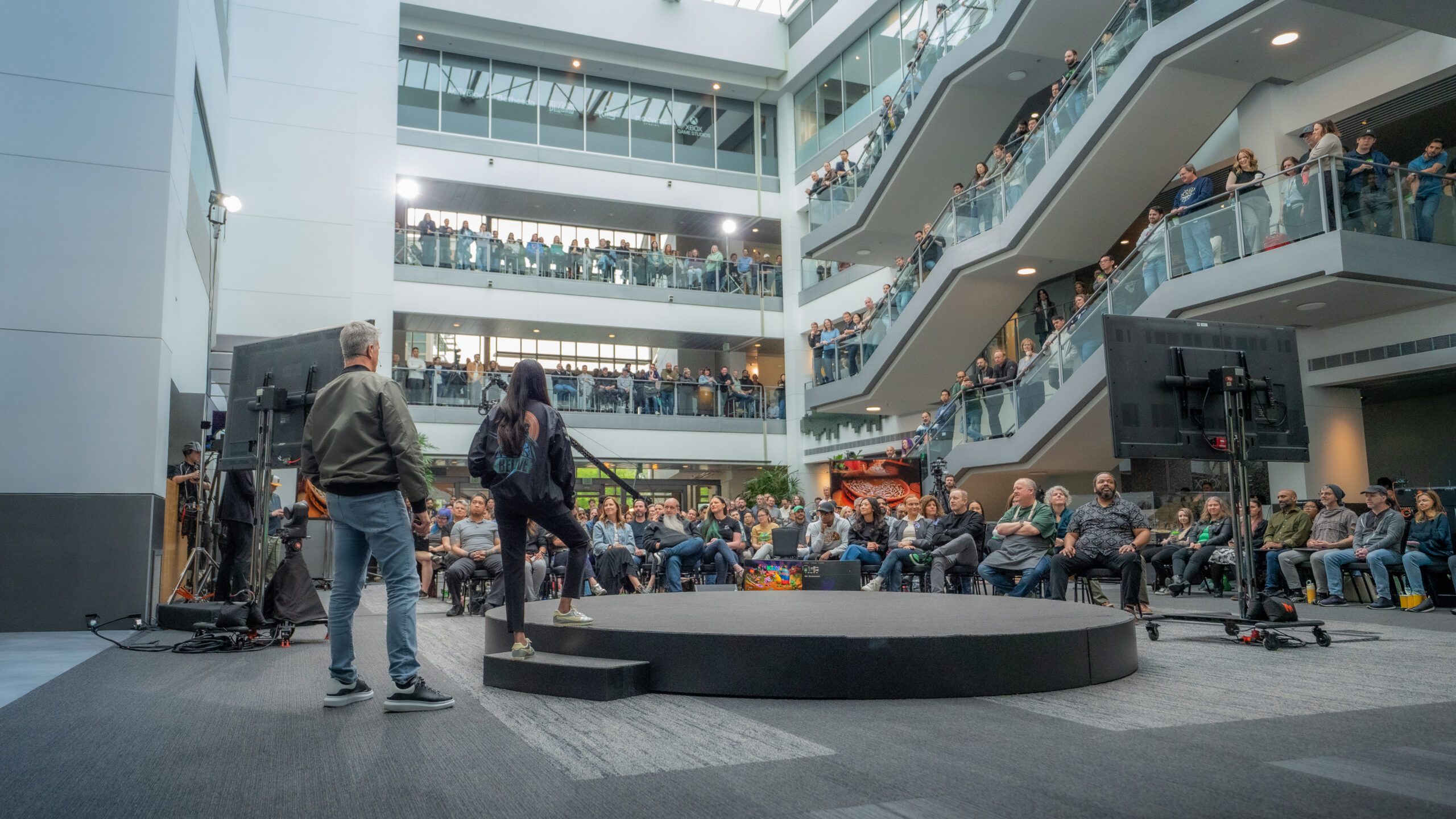
Barely a month after its debut, Meta’s personal AI agent, Muse, has already become the cornerstone of the company’s long-term consumer strategy. During the recent annual Connect conference held in Menlo Park, CEO Mark Zuckerberg signaled a definitive shift in focus, positioning Muse as the primary engine driving Meta’s future growth.
The Evolution of Muse: From Concept to Daily Utility
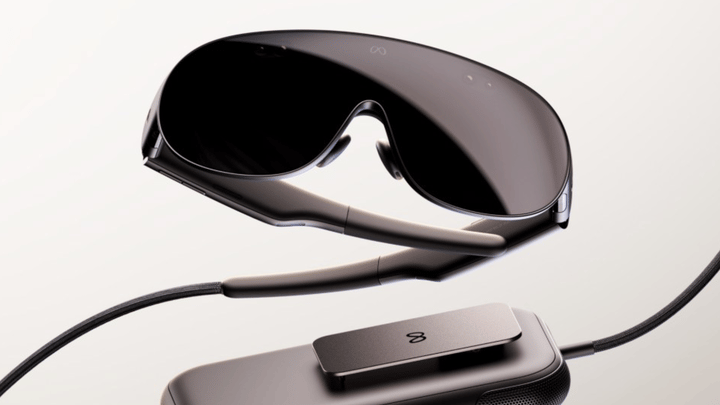
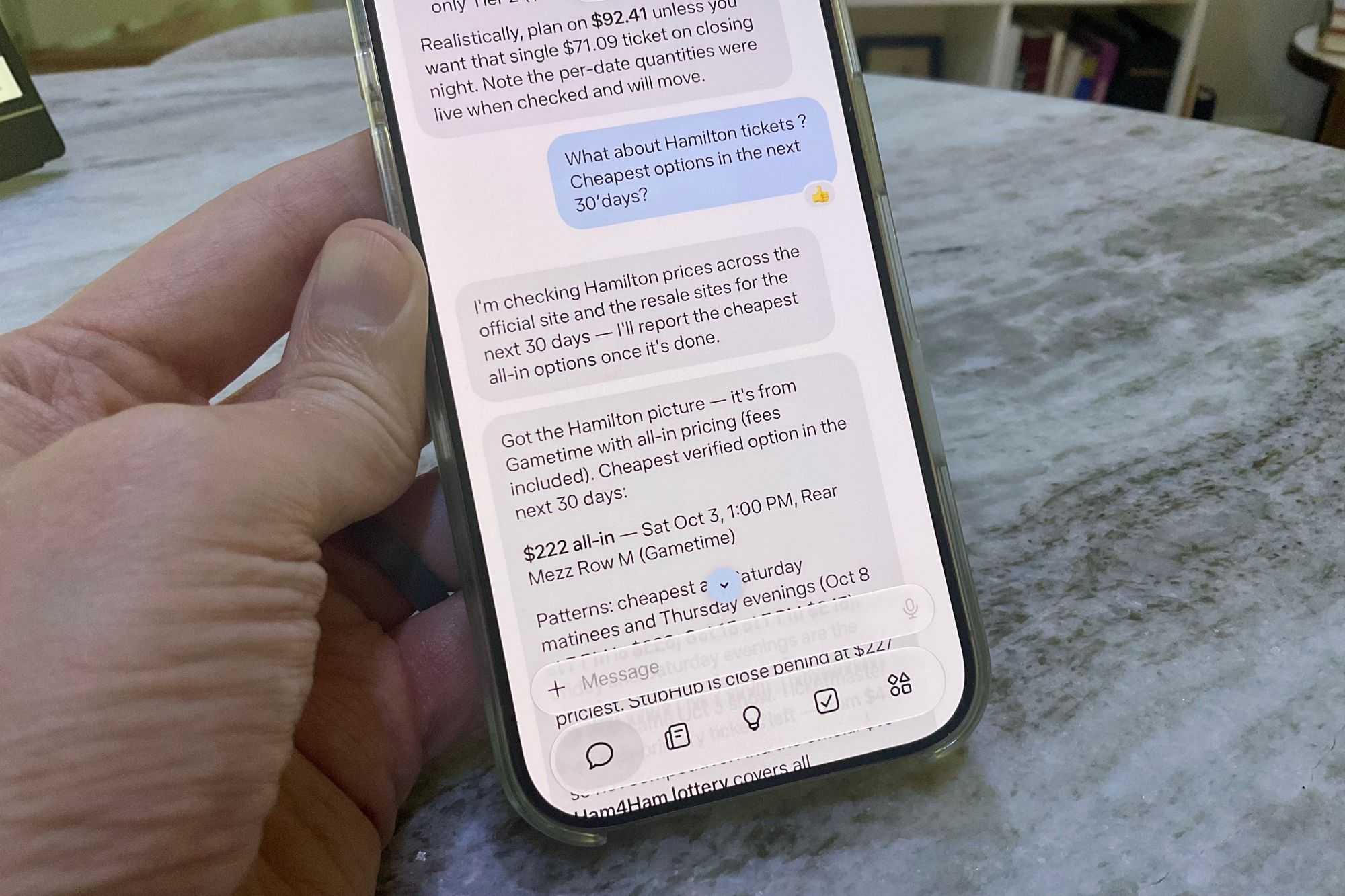
At the heart of this initiative is the Muse agent-represented by its digital avatar, Jolly. Unlike static chatbots, Muse is engineered to function as a proactive assistant. By integrating directly with a user’s existing digital ecosystem-such as email clients, scheduling software, and productivity suites-it aims to offload the cognitive burden of routine administrative tasks. Recent updates showcased at the event highlight a push toward deeper system integration, ensuring that Muse remains a constant, helpful presence, whether accessed via mobile devices or wearable hardware like Meta’s smart glasses.
Powering the Agentic Future with Muse Spark
The intelligence behind this interface is Muse Spark, a multimodal model specifically architected for “agentic” workflows. While many AI models are designed for passive content generation, Muse Spark is built to execute actions. According to industry analysts, the agentic AI market is projected to grow significantly, with some estimates suggesting a compound annual growth rate (CAGR) of over 30% through 2030 as users shift from simple prompts to delegating complex, multi-step workflows to their devices.
Meta is positioning this technology as a more intuitive alternative to existing market solutions. By prioritizing ease of use and immediate automation, the company hopes to lower the barrier to entry for everyday users who want to streamline their digital lives without needing technical expertise.
Zuckerberg’s Vision for an AI-Integrated Life
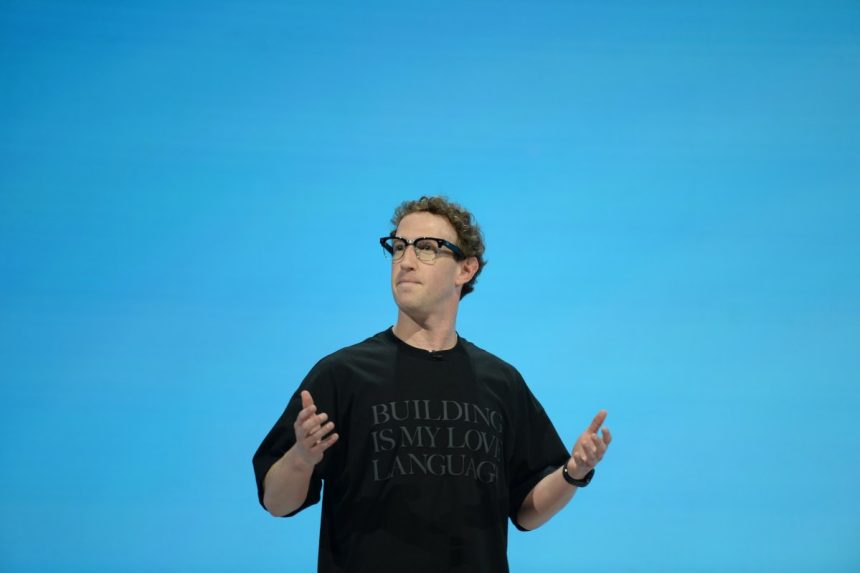
During his keynote address, Zuckerberg-sporting a shirt reading “Building is My Love Language”-emphasized that Muse is not merely an add-on feature but the central pillar of Meta’s product roadmap. The goal is to create a seamless experience where the AI understands the context of a user’s day, proactively managing calendars and communications to save time.
As Meta continues to refine the capabilities of Muse Spark, the focus remains on ubiquity. By embedding this technology into the hardware users already wear and the apps they already frequent, Meta is betting that the most successful AI will be the one that requires the least amount of friction to operate.