




Meta Connect 2026: A New Era for Wearable Tech
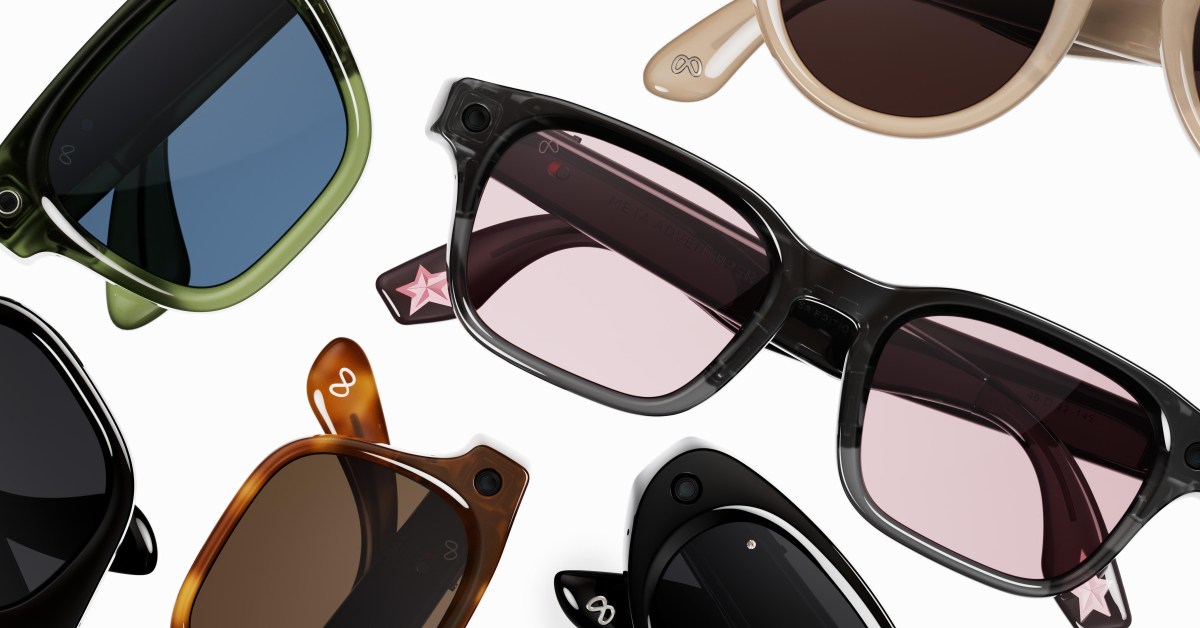
During this year’s Meta Connect keynote, the company unveiled a refreshed hardware roadmap that signals a major shift in how we interact with digital environments. Moving away from the bulky, face-hugging headsets of the past, Meta is pivoting toward a more streamlined, fashion-forward approach to spatial computing. The showcase highlighted a diverse range of updates, including advanced AI integrations, expanded aesthetic choices for existing eyewear, and the debut of their most ambitious wearable to date.
The Evolution of Virtual Reality: Meta’s Lightweight Glasses
The centerpiece of the presentation was the introduction of Meta’s new VR Glasses. By decoupling the processing power from the display, Meta has managed to shrink the form factor significantly. Weighing in at a mere 100g, these glasses are roughly 80% lighter than the Meta Quest 3, effectively eliminating the neck strain often associated with extended VR sessions.
This design philosophy mirrors the trajectory seen in Project Aura, utilizing a tethered “compute puck” that houses the battery, storage, and processing unit. This external module is powered by the Qualcomm Snapdragon Reality Elite chipset, supported by 12GB of RAM and 128GB of internal storage. Despite the compact size, the visual fidelity is impressive; the device features a 5K micro-OLED “Infinite Display” that delivers a crisp 2412 x 2288 resolution per eye, maintaining a fluid 120Hz refresh rate.
Market Positioning and Availability
As the industry moves toward “all-day” wearable computing, Meta is positioning these glasses as a premium bridge between traditional smart glasses and high-end VR hardware. With the global AR/VR market projected to reach significant valuation milestones by 2027, Meta’s $1,299 price point targets early adopters and professionals looking for a portable, high-performance spatial computing solution. Consumers can expect these devices to hit the market in the spring of 2027.
Beyond the hardware, Meta also teased a suite of AI-driven software updates designed to make these wearables more intuitive, including real-time environmental mapping and enhanced voice-command capabilities that leverage their latest large language models.