




The Evolution of Meta’s Digital Presence: From Cartoons to Holograms
For over seven years, the industry has watched Meta-formerly Facebook-tease the potential of hyper-realistic virtual reality representations. While the company initially unveiled its “Codec Avatars” research project back in 2017, the consumer-facing reality has remained firmly rooted in the stylized, cartoonish avatars that have become synonymous with the Horizon ecosystem. Despite consistent technical breakthroughs in their research labs, the gap between these high-fidelity prototypes and the actual user experience has been a point of contention for VR enthusiasts.
A New Era: The 2027 Roadmap
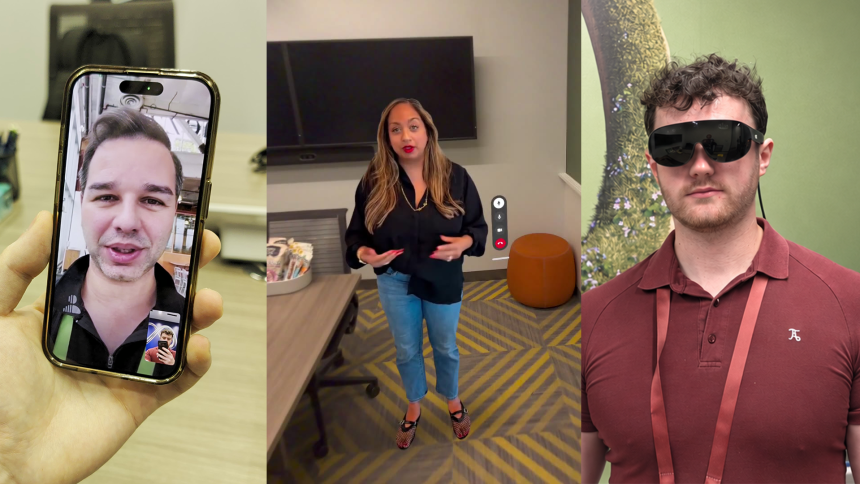
The long-standing disconnect between Meta’s research ambitions and its retail hardware is finally approaching a resolution. With the highly anticipated launch of Meta VR Glasses scheduled for the spring of 2027, the company is officially pivoting toward a more sophisticated digital identity system. This new initiative, branded as “Holograms,” serves as Meta’s direct answer to the high-fidelity Personas found on the Apple Vision Pro.
It is important to manage expectations regarding this rollout. While the Hologram system represents a significant leap forward in visual fidelity, the initial version arriving in 2027 will not be a fully volumetric implementation of the original Codec Avatars research. Instead, users can expect a hybrid approach that balances performance with visual realism, marking a transition away from the simplified, non-humanoid aesthetics that have dominated the platform for nearly a decade.
Bridging the Gap: Why Realism Matters
The shift toward realistic avatars is more than just a cosmetic upgrade; it is a strategic necessity. As the spatial computing market matures, user demand for “presence”-the psychological feeling of actually being with another person in a virtual space-has intensified. Current market data suggests that platforms offering more authentic social interactions see higher retention rates, as users feel less like they are playing a game and more like they are participating in a genuine conversation.
By moving toward Holograms, Meta is attempting to replicate the nuance of human expression-subtle eye movements, micro-expressions, and natural body language-that cartoon avatars simply cannot convey. While the journey from the initial 2017 prototype to the 2027 consumer product has been lengthy, the upcoming hardware release signals that Meta is finally ready to prioritize immersion over simplicity.