



The Evolution of the Urban Electric Runabout: Why the BYD Seagull is Transforming
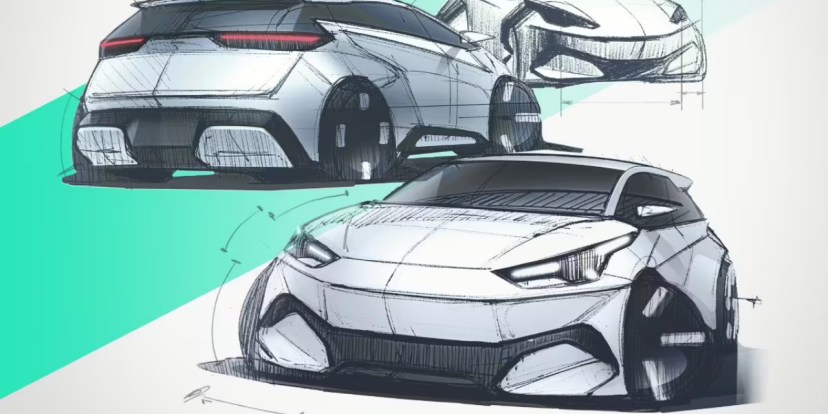
The golden age of the hot hatchback was never defined by massive engine output or blistering straight-line speed. Instead, it was defined by the sheer joy of piloting a nimble, lightweight frame through congested urban arteries and tight corners. When BYD introduced the Seagull in early 2023, it successfully bottled that spirited, compact energy. Designed as a sub-four-meter electric vehicle, it prioritized accessible, daily commuting, quickly becoming a favorite for city dwellers who valued its exceptional maneuverability. This winning formula resonated globally, with BYD moving over 1.5 million units in just over two and a half years.
Market Saturation and the Need for Reinvention
However, the automotive landscape in China operates at a breakneck pace, where vehicle relevance can fade as quickly as a trend on social media. Despite a staggering performance in 2025, where the Seagull moved 529,537 units, the model eventually encountered a significant plateau. The reality of the modern EV market is that even a segment leader cannot rest on its laurels; after a year of consistent sales declines, it became clear that the original design had reached its ceiling.
Adapting to Changing Consumer Demands
The recent cooling in demand isn’t necessarily a failure of the Seagull’s core concept, but rather a signal that the market is maturing. As competitors flood the entry-level EV space with more tech-heavy and spacious alternatives, the “pocket-sized” appeal is being challenged by a desire for more versatility. To maintain its competitive edge, BYD is now forced to pivot, moving away from the strictly minimalist city-car approach toward a more robust, feature-rich platform that can accommodate the evolving needs of modern drivers who want more than just a point-A-to-point-B commuter.