




When Smart Appliances Fail: The Risks of Over-Digitizing Kitchen Essentials
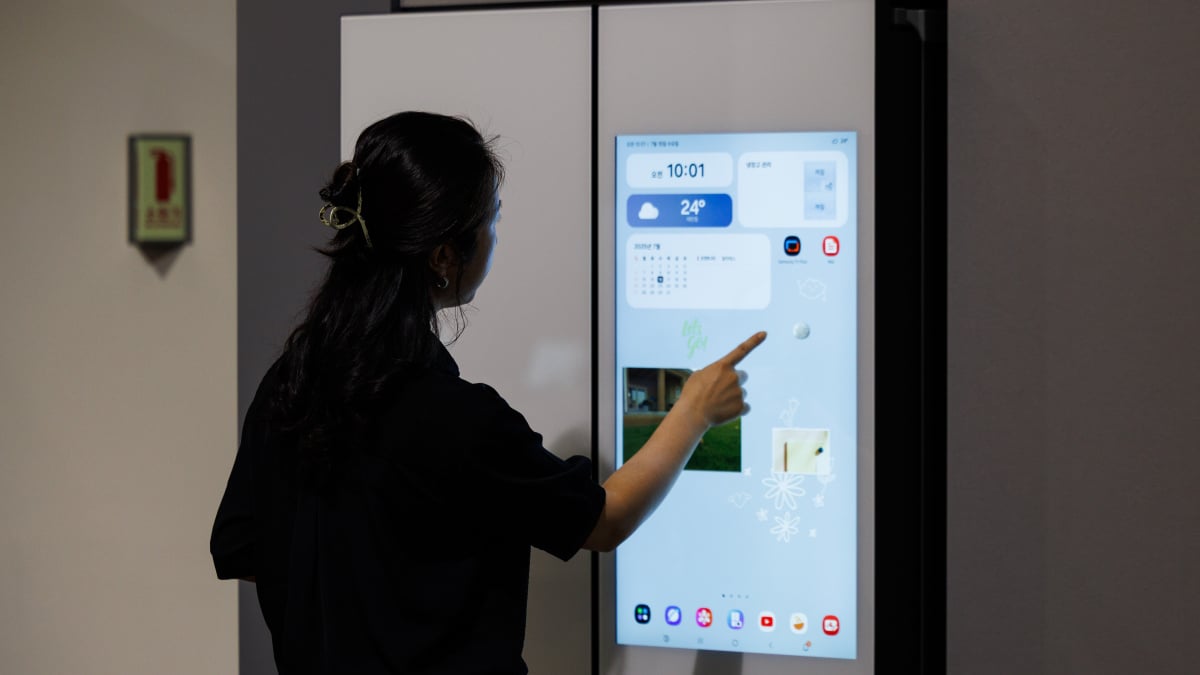
The primary purpose of a refrigerator is simple: maintain a consistent temperature to preserve your groceries. However, the rise of the “Internet of Things” (IoT) has introduced a layer of complexity that can turn a reliable kitchen staple into a digital liability. Recently, a segment of Samsung customers in South Korea discovered the hard way that a mandatory software update can compromise the very function a fridge is designed to perform.
The Glitch: A Cooling Crisis
The technical malfunction surfaced on September 22, immediately following the deployment of a firmware patch delivered via the Samsung SmartThings ecosystem. Rather than enhancing performance, the update triggered a series of critical failures. Users reported that their appliances became unresponsive, with interior lighting failing, control panels freezing on a perpetual “updating” loop, and, most alarmingly, the cooling compressors shutting down entirely.
The issue appears to be concentrated among the premium Bespoke AI four-door refrigerator line, specifically units manufactured and sold from 2024 onward. This incident highlights a growing concern in the tech industry: as appliances become more reliant on cloud-based software, the potential for a single buggy line of code to cause physical damage or loss of property increases significantly.
Holiday Havoc and Food Waste
The timing of this technical failure could not have been more inconvenient. The malfunction occurred just as families were preparing for Chuseok, one of South Korea’s most significant cultural holidays, which is defined by elaborate feasts and large-scale food preparation.
For many households, the timing meant that refrigerators packed with fresh ingredients for holiday meals were rendered useless. One affected consumer reported to the Seoul Shinmun that they were forced to discard approximately 20 kilograms of food-a frustrating consequence of a “smart” feature gone wrong. This scenario serves as a stark reminder that while smart technology offers convenience, it also introduces a single point of failure that traditional, non-connected appliances simply do not possess. As manufacturers continue to push for hyper-connectivity in the home, the industry must grapple with the balance between innovation and the fundamental reliability consumers expect from their essential appliances.