




The Legacy of the XO-1: Visionary Tech or a Failed Experiment?
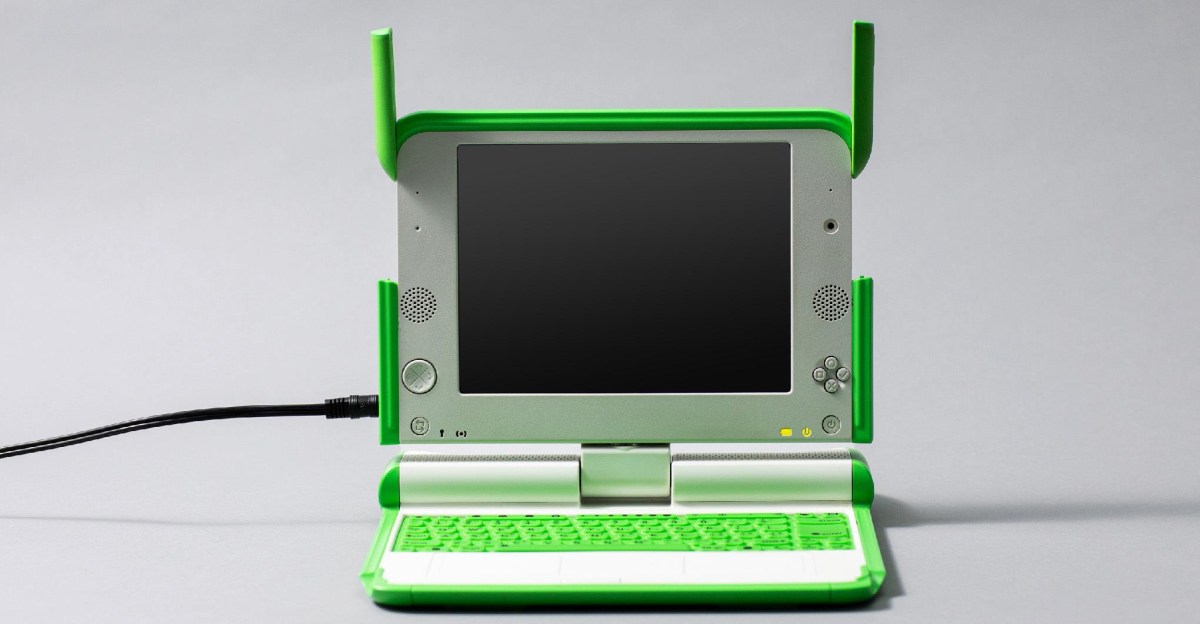
The concept was undeniably bold: bridge the global digital divide by placing a dedicated computer into the hands of every child on the planet. For many Silicon Valley visionaries and tech executives, this initiative represented a silver bullet for educational inequality. However, the reality of the One Laptop Per Child (OLPC) project-and its flagship XO-1 hardware-proved far more intricate and fraught with challenges than its optimistic architects initially anticipated.
Revisiting the OLPC Narrative
In the latest installment of Version History, host David Pierce sits down with tech journalist David Imel and The Verge’s own Adi Robertson. Together, they dissect the rise and fall of the OLPC movement. The discussion moves beyond simple hindsight, exploring whether the XO-1’s unique engineering-such as its sunlight-readable display and mesh networking capabilities-offered genuine innovation or if the project was fundamentally flawed from its inception.
Lessons from the Classroom
As we reach the midpoint of Version History’s fifth season, our focus has shifted toward the iconic technologies that once promised to revolutionize the classroom. The XO-1 serves as a primary case study in this series. While the project aimed for a $100 price point, it struggled with the realities of mass production and the complexities of local infrastructure.
To put this in perspective, modern initiatives like the widespread adoption of Chromebooks in schools have succeeded where OLPC faltered, largely due to cloud-based ecosystems and lower maintenance requirements. The XO-1, by contrast, was a standalone experiment that arrived before the necessary support systems were fully mature.
Could a Modern Giveaway Succeed?
The panel tackles the lingering question: Is the “one device per child” model still viable in today’s hyper-connected world? While the XO-1 didn’t achieve its utopian goal, it sparked a global conversation about hardware accessibility that continues to influence how we design educational tools today. By examining the friction between high-minded idealism and the harsh constraints of global logistics, the episode provides a critical look at why some tech dreams stall while others reshape the world.