



Transforming Garden Waste into Nutrient-Rich Soil
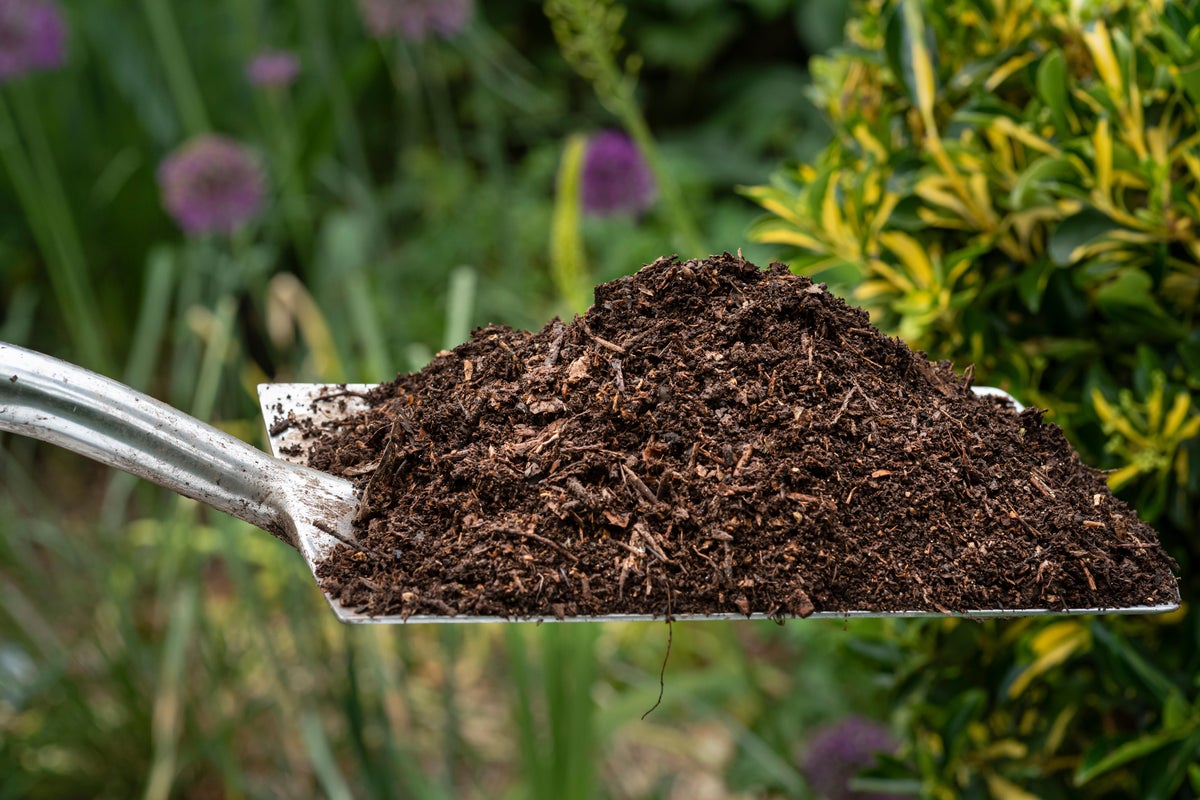
As you clear out your flower beds or refresh your seasonal containers, you are presented with the perfect opportunity to launch your own compost heap. Rather than discarding organic debris, you can recycle it into “black gold,” a potent soil amendment that breathes life back into your garden.
Selecting the Right Equipment for Your Space
Phil Young, the horticultural manager at The Eden Project in Cornwall, emphasizes that your choice of bin should be dictated by your available space and ease of use. If you are working with a compact urban garden, prioritize a bin that features a wide-opening lid or a design that allows for effortless aeration.
“Aeration is the secret to efficient decomposition,” Young explains. “If you find manual turning difficult, consider investing in a tumbler-style bin, which allows you to rotate the contents with minimal physical strain.”
Strategic Placement for Optimal Decomposition
Where you position your bin is just as important as what you put inside it. For the best results, place your unit on level, exposed earth. This direct contact with the soil allows beneficial organisms, such as earthworms and microbes, to migrate into the bin and accelerate the breakdown process. According to recent data from the Royal Horticultural Society, successful composting remains an underutilized practice, with only about one-third of UK gardeners currently producing their own soil conditioner at home.
Mastering the Carbon-to-Nitrogen Balance
To achieve a healthy, fast-acting compost pile, you must maintain a balanced ratio of “browns” and “greens.” Think of this as a recipe for soil health:
- The Browns (Carbon): These materials provide the structural foundation for your compost. Incorporate items like shredded cardboard, torn-up egg cartons, dried leaves, and woody prunings. These elements ensure the pile remains aerated and prevents it from becoming a soggy, anaerobic mess.
- The Greens (Nitrogen): These act as the fuel for the decomposition process. Add nitrogen-rich materials such as fresh grass clippings, vegetable peelings, and overripe fruit.
By layering these materials-much like building a lasagna-you create the ideal environment for heat-generating bacteria to thrive, turning your household waste into a rich, crumbly fertilizer that will nourish your plants for seasons to come.


![Paper Tiger Review: Adam Driver Steals The Show In James Gray’s Autobiographical Crime Drama [NYFF]](https://www.mixtv1.com/wp-content/uploads/2026/09/36092-attachment.jpg)