



Meta’s Next-Gen VR Hardware: A Deep Dive into the New $1,300 Headset
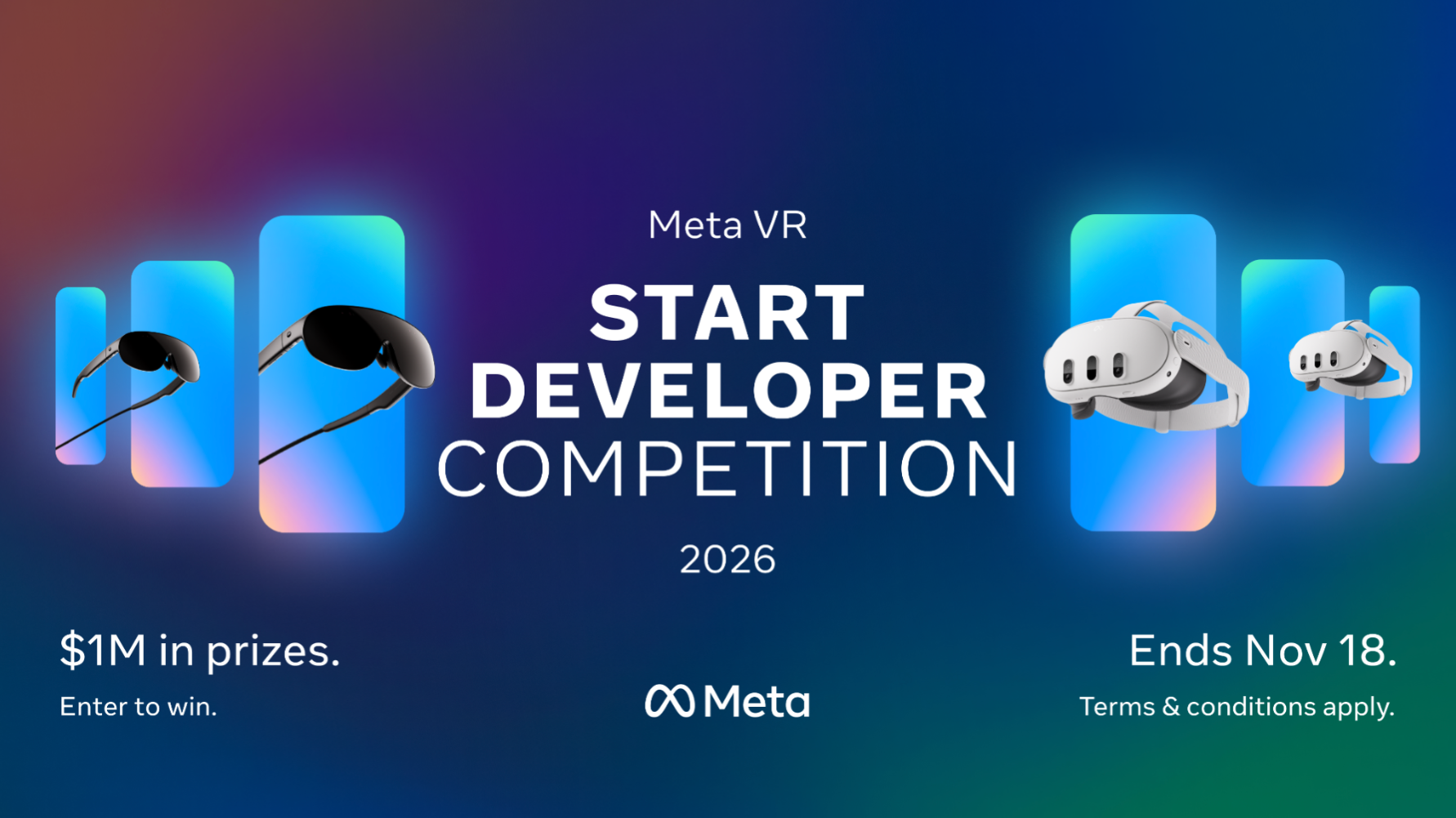
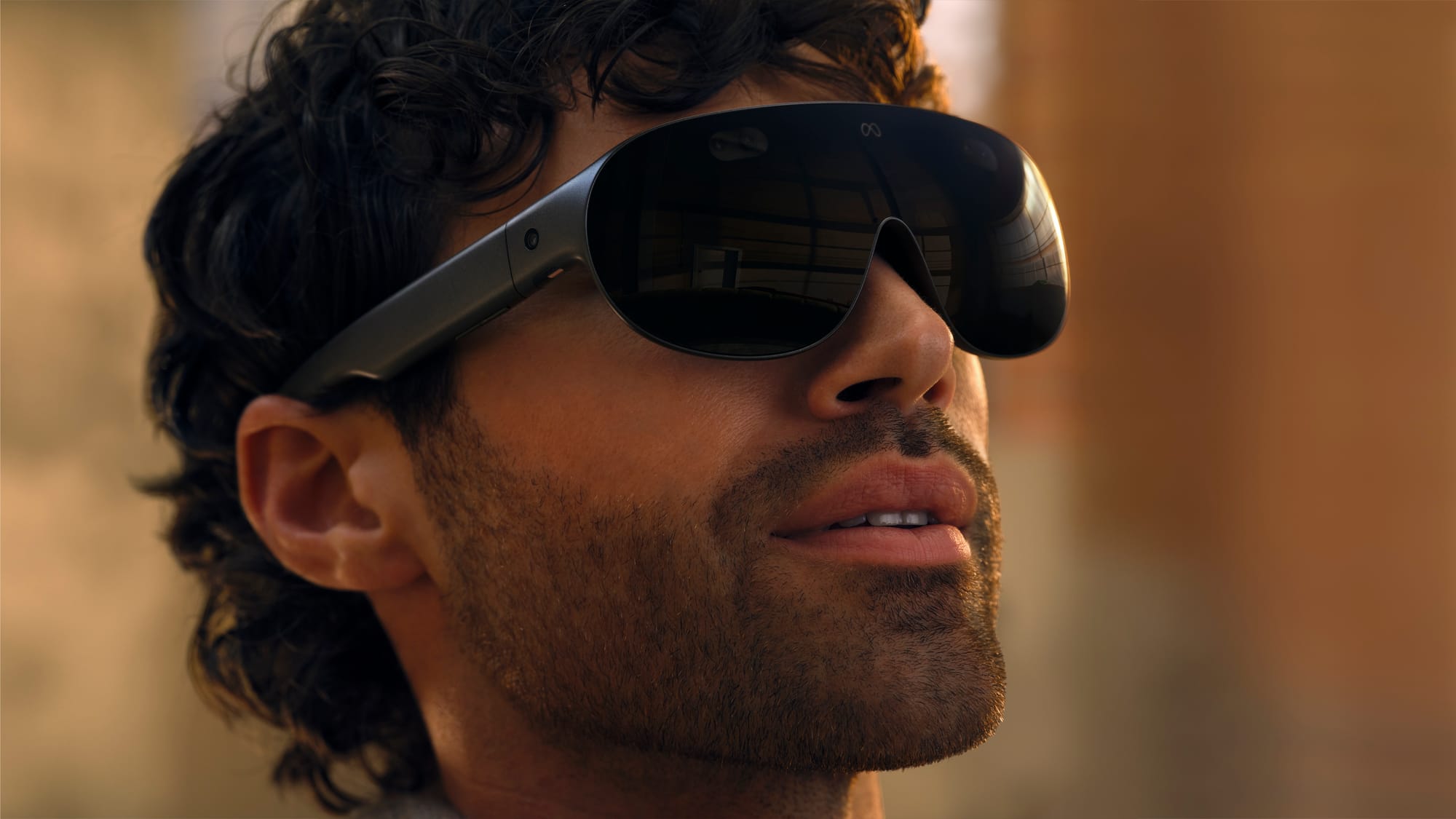
Meta has officially pulled back the curtain on its latest foray into high-end virtual reality with the announcement of the Meta VR Glasses. Positioned as a premium device, the headset carries a retail price of $1,300. By shifting the heavy lifting to an external processing unit, Meta has achieved a remarkably lightweight form factor of just 100 grams, while delivering stunning visuals through dual 2.4K micro-OLED panels.
0:00 / 1:10
Official reveal trailer for the new Meta VR Glasses.
Performance and Architecture: The Power of the Puck
Rather than cramming all the computing hardware into the headset itself, Meta has opted for a tethered “puck” design. This external unit houses the Qualcomm Snapdragon Reality Elite chipset-a powerhouse often viewed as the successor to the XR2 Gen 3.
This architecture allows for a seamless software experience, as the puck runs the same OS found on the Quest 3. Users can access their entire existing library of applications, but with a significant visual upgrade. The combination of the high-performance chipset and advanced eye-tracked foveated rendering ensures that the 2.4K resolution is utilized efficiently, focusing graphical power exactly where the user is looking.
In terms of specifications, the device is equipped with 12GB of RAM and 128GB of internal storage. For power users who require more space for high-fidelity assets, the puck also includes a microSD slot for expandable storage, a welcome addition for those managing large media files or extensive game libraries.
Design Philosophy and Input Methods
The most striking aspect of this release is the focus on ergonomics. By offloading the battery and processor to the tethered puck, Meta has reduced the headset weight to a mere 100 grams, which is a massive improvement over the front-heavy designs of previous generations. This shift is intended to make long-form productivity and immersive gaming sessions significantly more comfortable.
However, there is a notable change in the user experience: the Meta VR Glasses will not ship with traditional controllers as part of the standard package. This suggests that Meta is leaning heavily into hand-tracking and gesture-based navigation, or perhaps targeting a demographic that prioritizes media consumption and spatial computing over traditional gaming.
As the VR market continues to evolve-with industry analysts projecting that the global XR market could reach over $100 billion by 2030-Meta’s strategy of separating the display from the compute unit may set a new standard for how we interact with virtual environments.