





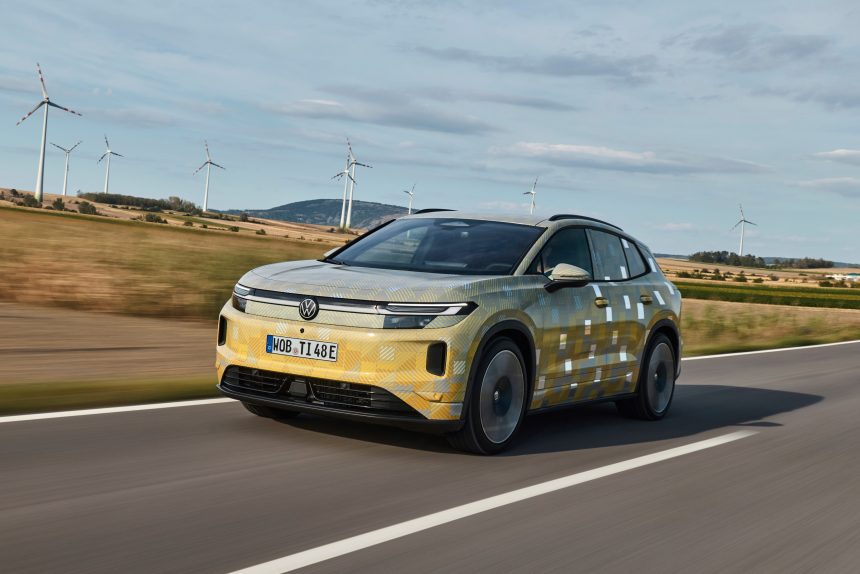
Volkswagen’s Strategic Shift: The Upcoming Electric Tiguan
Volkswagen has officially pulled back the curtain on its latest battery-powered project, offering a glimpse of a camouflaged prototype that signals a major evolution in the brand’s electric vehicle strategy. This upcoming compact SUV, currently referred to as the ID Tiguan, is positioned to eventually take the place of the VW ID 4 EV. While European markets can expect to see the model hit showrooms by early 2027, North American drivers will have to wait a bit longer for its domestic debut.
A New Naming Convention for Global Consistency
The decision to brand this new model as the “ID Tiguan” is part of a broader corporate initiative to unify the automaker’s nomenclature. By aligning its electric offerings with the established branding of its internal combustion and hybrid counterparts, Volkswagen aims to simplify the shopping experience. This shift mirrors the logic behind the ID Polo and the ID Cross, ensuring that consumers immediately grasp the vehicle’s segment, size, and utility without needing to decode complex alphanumeric naming schemes.
Why the Tiguan Nameplate Matters
The familiar Tiguan badge carries significant weight in the automotive world. As one of the best-selling SUVs globally, leveraging this name for an electric model is a calculated move to bridge the gap for traditional buyers who might be hesitant to switch to an EV. With the global electric vehicle market projected to grow at a compound annual rate of over 10% through 2030, Volkswagen is betting that recognizable branding will be the key to capturing a larger share of the mainstream market. By transitioning from the ID 4 moniker to the Tiguan identity, Volkswagen is essentially betting that brand heritage will drive the next wave of electric adoption.