




## Meta’s Muse AI: Transforming Smart Glasses into Proactive Assistants
Meta is preparing to integrate its advanced Muse AI agent into its line of smart glasses, a move that promises to shift the wearable experience from passive observation to active assistance. By enabling the hardware to execute tasks directly, users will soon be able to manage digital workflows without ever needing to reach for their smartphones.
### Beyond the Chatbot: The Rise of Agentic AI
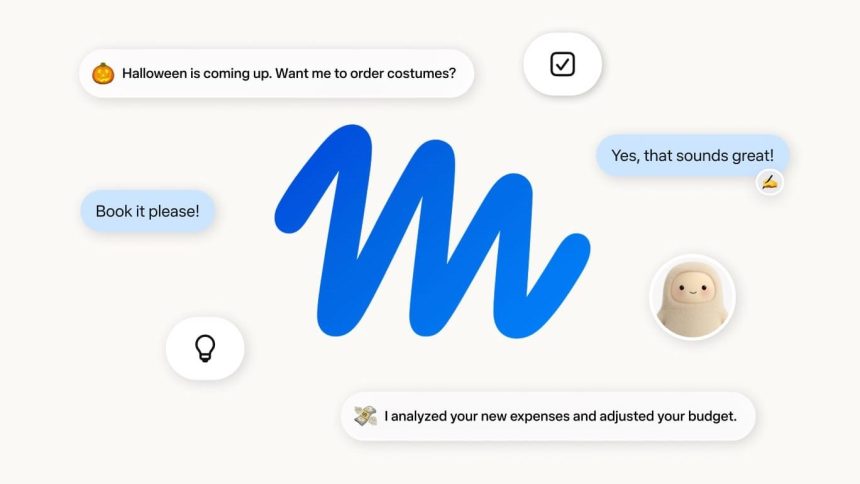
To understand the significance of this update, it is essential to distinguish between standard generative AI and “agentic” AI. While a typical chatbot functions as a digital encyclopedia-processing queries and returning text-an AI agent is designed for execution. Think of a chatbot as a consultant who offers advice, whereas an AI agent acts more like a personal concierge who not only suggests a dinner reservation but also navigates the booking process and adds it to your calendar.
### Rapid Adoption and Technical Foundation
Since its initial rollout on web and mobile platforms in the United States earlier this month, Muse has demonstrated significant market traction. It rapidly climbed the charts to become one of the most downloaded applications on the Apple App Store, garnering praise from both tech critics and everyday consumers for its intuitive interface and responsiveness.
The engine driving this performance is the Muse Spark AI model. Meta has architected the system to operate within a private, persistent Linux virtual machine hosted in the cloud. This infrastructure ensures that the agent maintains a consistent state and secure environment, allowing it to handle complex, multi-step requests with greater reliability than traditional, stateless AI models.
### The Future of Hands-Free Computing
The integration of Muse into smart glasses represents a pivotal step toward “ambient computing.” By offloading the heavy lifting to the cloud while utilizing the glasses’ sensors and microphones, Meta is effectively turning the device into a proactive companion. Whether it is identifying objects in your field of vision or managing real-time notifications, the goal is to keep the user engaged with the physical world while the AI handles the digital logistics in the background.