




## The End of the App Store Era: How OpenAI is Redefining Software Discovery
While the recent OpenAI Dev Day headlines were dominated by the unveiling of “Dots”-the company’s sophisticated agentic assistants-and a suite of upgraded AI models, these individual features are merely components of a much larger strategic shift. OpenAI is effectively positioning ChatGPT to dismantle the legacy app store ecosystem, transforming the chatbot into a centralized hub where software is not just discovered, but seamlessly executed by both human users and autonomous agents.
### A Unified Digital Identity
Beyond the interface updates, OpenAI is prioritizing portability. By enabling users to carry their ChatGPT identity across various platforms, the company is breaking down the silos that have historically separated AI interactions. Furthermore, the integration of existing AI usage allowances into third-party applications signals a move toward a more fluid, interconnected software environment. This ensures that a user’s subscription value is no longer tethered to a single platform, but follows them wherever they work.
### From Chatbot to Operating System
OpenAI’s ambition to integrate apps directly into the conversational flow is not a new concept, but the current execution is significantly more mature than previous iterations. With a staggering 1.2 billion weekly active users, ChatGPT possesses a massive, untapped audience that is currently underutilized as a discovery engine for third-party software.
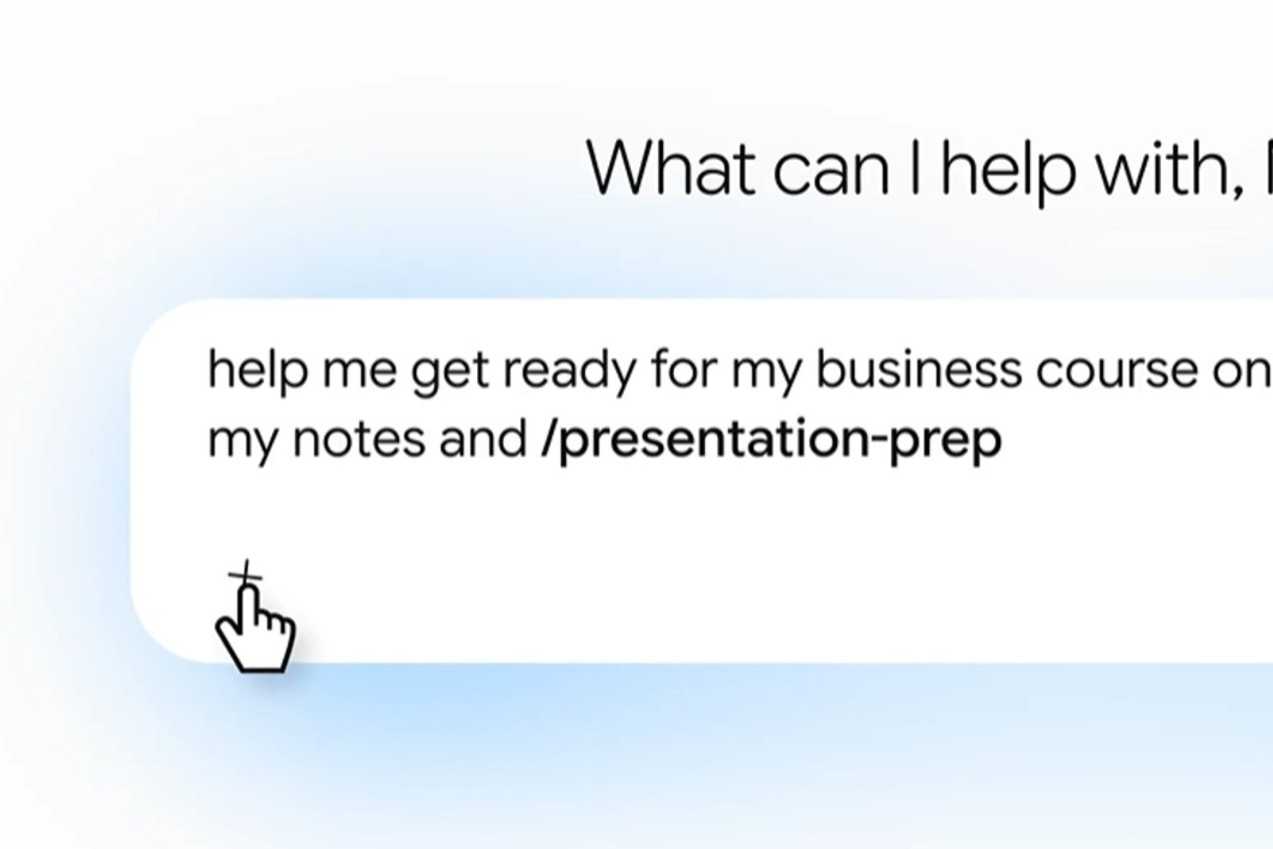
To bridge this gap, OpenAI is evolving the chatbot into a proactive discovery layer. Instead of forcing users to navigate traditional app stores, ChatGPT will now intelligently suggest relevant tools mid-conversation. If a user’s request requires a specialized function-such as complex data visualization or niche project management-the AI will identify the optimal app and launch it within the chat interface, effectively bypassing the need for manual searching and installation.
### The Shift Toward Agentic Utility
This transition mirrors the evolution of mobile computing. Just as the smartphone replaced the need for dedicated desktop software, OpenAI is betting that the “agentic” interface will replace the need for traditional app navigation. By embedding software utility directly into the chat experience, OpenAI is shifting the focus from “finding an app” to “getting the job done.”
As these agentic capabilities continue to scale, the traditional app store model-which relies on passive browsing and manual downloads-may soon become a relic of the past, replaced by an ecosystem where software is summoned by intent rather than searched for by name.